Africa faces an escalating water crisis as climate change disrupts rainfall patterns across the continent, creating a paradox of flooding and drought that threatens millions of lives and livelihoods.
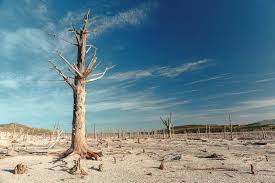
Despite recent rainfall increases in some regions, critical water shortages persist, particularly affecting major river basins including the Zambezi basin in Southern Africa. Diminished precipitation over the past year has reduced river flows, triggering severe ecological, economic, and humanitarian consequences that experts project will continue worsening.
Local farmers have witnessed dramatic environmental changes firsthand. “We had a very beautiful forest, very beautiful wetlands, but because of several pressures, these areas were all degraded,” said Robert Atugonza, a sugarcane farmer who has observed decades of environmental transformation.
Africa’s average surface temperatures have risen steadily across all regions, with Southern Africa experiencing the most severe increases. The World Meteorological Organization projects temperature rises of up to 4°C by 2050, fundamentally altering the continent’s climate patterns.
Rainfall distribution has become increasingly unpredictable, with the Sahel receiving more precipitation while Central and Southern Africa face significant drying trends. This irregular pattern complicates agricultural planning and water resource management across affected regions.
UN High Commissioner for Human Rights Volker Türk emphasized the crisis’s humanitarian dimensions: “The climate crisis is a human rights crisis. Rising temperatures, rising seas, floods, droughts, and wildfires threaten our rights to life, health, a clean, healthy and sustainable environment.”
Sea levels along African coasts have risen approximately 20 centimeters since 1900 and are projected to increase another 35-50 centimeters by 2050, threatening coastal communities. Extreme weather events have doubled or tripled in frequency since 1990, with scientists attributing these changes to continued fossil fuel dependence.
Central, northwest, and northeast Africa face deteriorating conditions from ongoing droughts and extreme heat, threatening agriculture, ecosystems, and hydropower generation.