The United States is urging African nations to take greater responsibility for their own security as it scales back its military footprint on the continent — a move that analysts warn could shift the regional power balance and fuel militant resurgence.
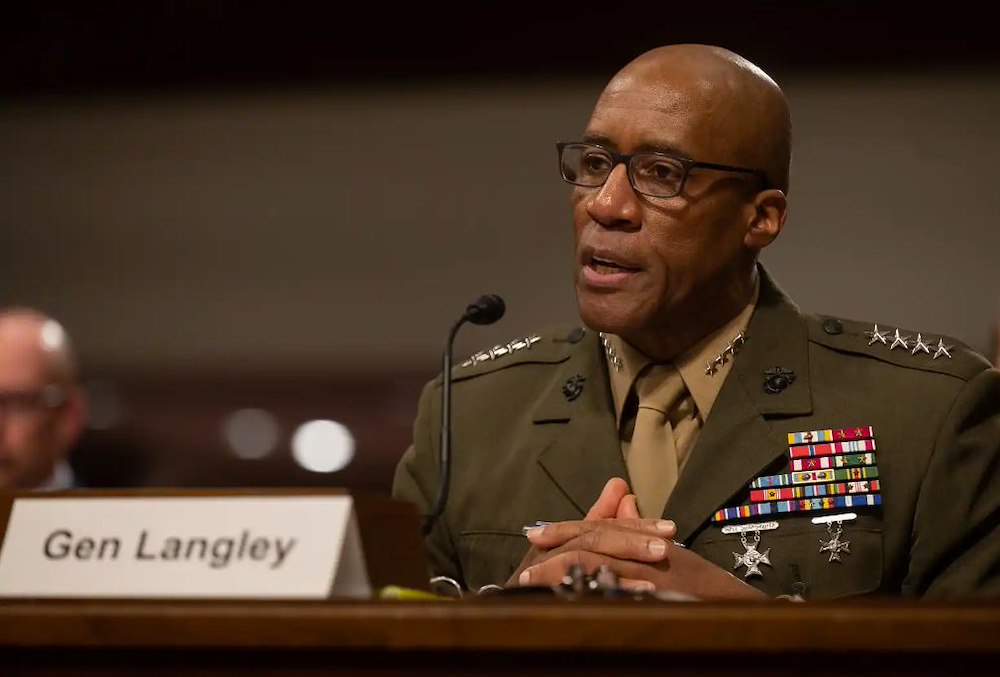
General Michael Langley, head of U.S. Africa Command (AFRICOM), emphasized “burden-sharing” as Washington pivots toward homeland defense and a leaner military under the Trump-era strategic framework. While the U.S. maintains some presence — about 6,500 troops and support programs — its focus is now on building local capacity rather than leading counterterrorism operations. “Africa cannot do it alone,” said Adib Saani, a Ghana-based security analyst. “It will be difficult in terms of logistics and technology — we are simply not there yet,” adding that without U.S. support, Africa risks losing ground to terrorist groups.
The drawdown comes at a time of rising Chinese and Russian engagement. Experts have pointed out that China has replicated U.S. military training models, offering grants and equipment to African forces, while Russian mercenaries have gained footholds in West and Central Africa. “They’re [China] trying to replicate what we do best in our IMET program,” Langley said on the sidelines of the recent Africa Chiefs of Defence Conference in Nairobi. The power vacuum could undermine years of Western-backed counterterrorism efforts.
Some African states now face hard choices: seek new allies or boost their own defense capabilities. Yet, experts stress that local cooperation, tackling corruption, and investing in domestic defense industries will be crucial. “The clear message is that there’s a need to diversify partnerships. We can’t rely solely on the U.S.; we may also need to engage more with the Russians and others,” added Saani.