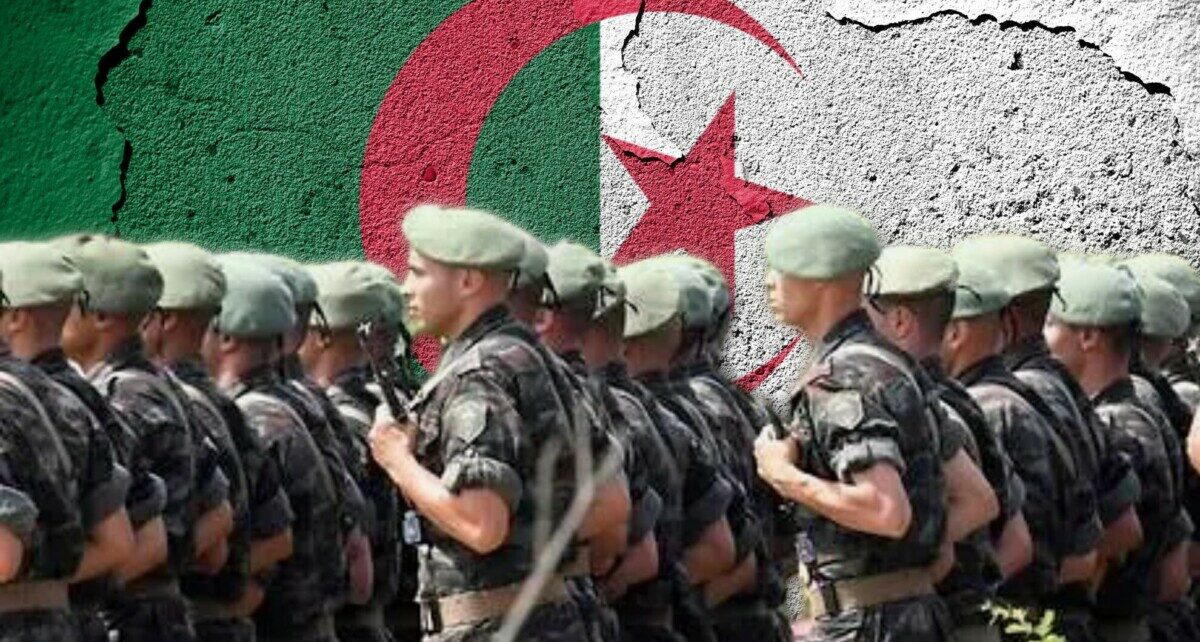
Algeria’s emerging military role in Niger raises a fundamental question: what exactly does Algeria bring to the Sahel besides what seems to be self-serving troop deployment?
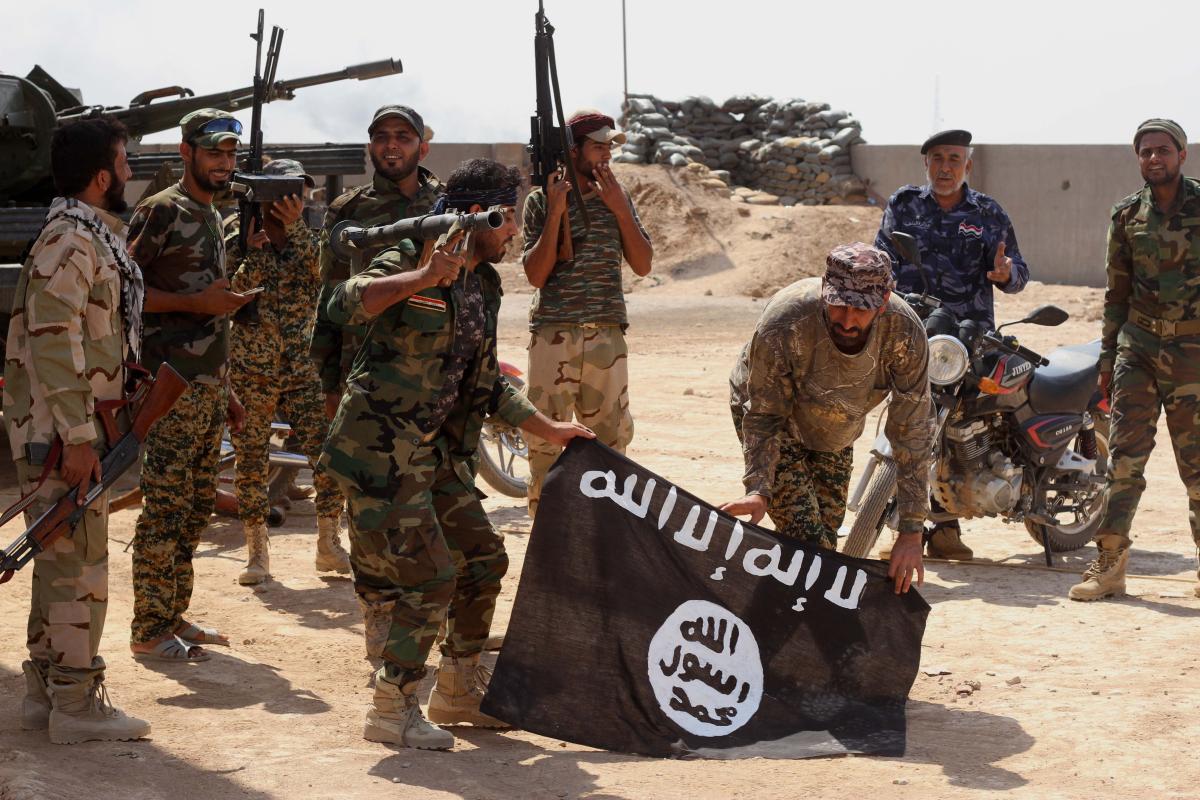
For decades, Algerian officials presented themselves as champions of regional stability. Yet many of the jihadist movements that have destabilized the Sahel trace their origins, leadership, or ideological lineage to Algeria’s own civil war of the 1990s.
Algeria’s Armed Islamic Group (GIA) gave rise to the Salafist Group for Preaching and Combat (GSPC), which later became Al-Qaeda in the Islamic Maghreb (AQIM). AQIM subsequently expanded across Mali, Niger and Mauritania, becoming one of the principal architects of the modern Sahel insurgency.
Today, Mali openly accuses Algeria of destabilizing behavior. At the United Nations, Malian officials accused Algeria of interference in Mali’s affairs, while Prime Minister Abdoulaye Maïga went further, accusing Algeria of links to terrorism.
Algeria has little developmental expertise to export. Despite its hydrocarbon wealth, large parts of southern Algeria remain underdeveloped, while periodic shortages of basic consumer goods have become a recurring domestic issue.
The country’s economy remains heavily dependent on state spending and hydrocarbons, and its private sector has struggled to become a regional growth engine.
If Algeria cannot successfully diversify its own economy, develop its vast southern regions, or build globally competitive private industries at home, skeptics ask how it intends to contribute to the economic transformation which is desperately needed in the Sahel.
Reducing Sahel’s problems in insurgency alone is a reductionist view! Lack of social and economic development is a breeding ground for insurgency.
The irony is striking. After years of condemning military takeovers and foreign intervention, Algiers is now deploying forces to protect the Nigerien junta, a regime that Algiers itself had criticized as unconstitutional.
To critics, this is less a development strategy than the export of a familiar model: military power, centralized rule, and regime preservation.
The Sahel’s greatest need is not more soldiers. It is investment, jobs, infrastructure, education, and functioning institutions. On those fronts, Algeria’s record remains far less convincing than its military ambitions.