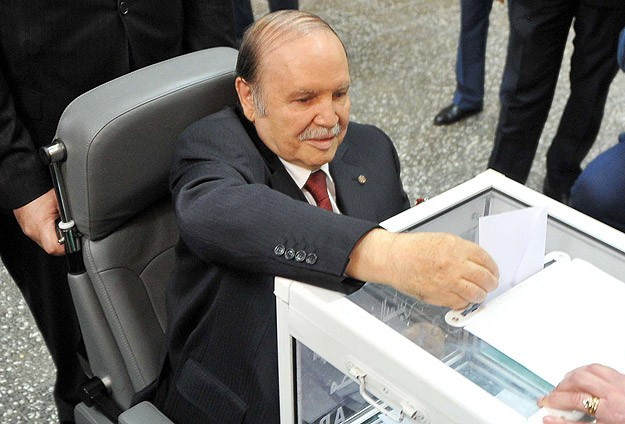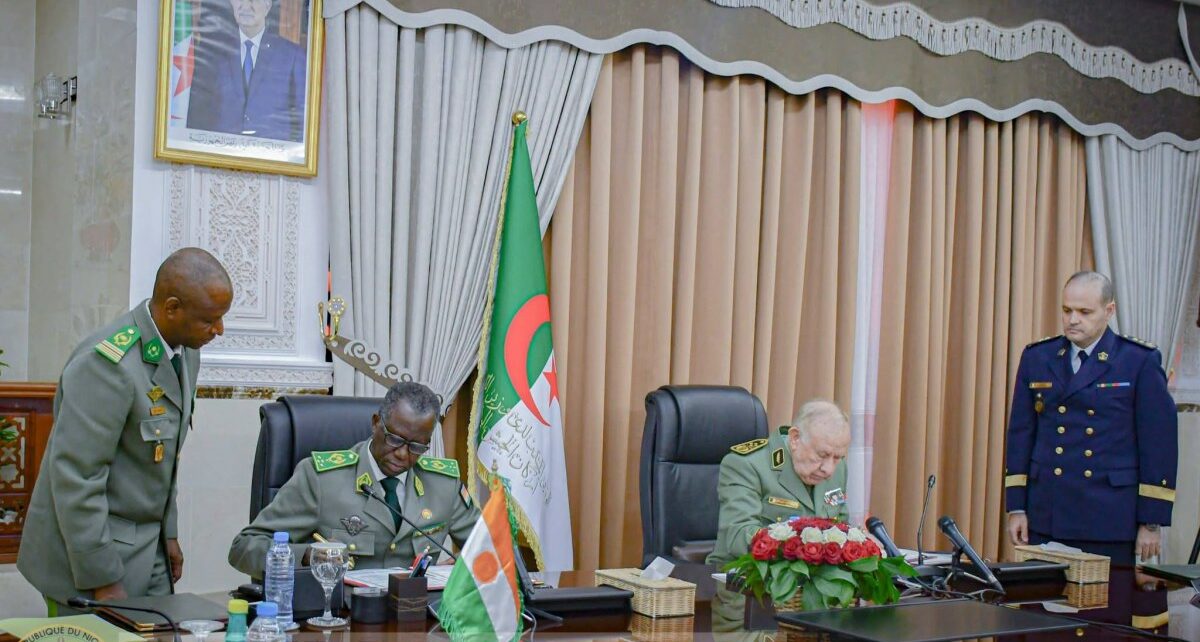
Algeria’s parliament has formally agreed to authorize the deployment of Algerian troops to Niger. The decision was never genuinely in the hands of the lawmakers. It had already been taken by President Abdelmadjid Tebboune and the military clique that effectively runs the country.
The vote was pure theater. This move was prepared well in advance by constitutional amendments that removed previous restrictions on sending the army beyond Algeria’s borders.
When the extraordinary parliamentary session was called, MPs were summoned without being told the agenda. There was no prior debate, no serious scrutiny, and no meaningful deliberation. Approval was a formality.
The Rassemblement pour la Culture et la Démocratie (RCD) abstained, the only notable note of dissent in an otherwise scripted exercise.
In substance, the episode looks less like a coherent strategy and more like the thrashing of a wounded regime or the dance of a slaughtered rooster.
Algeria is suffering a clear setback on the Western Sahara file. The UN Security Council is moving toward anchoring Morocco’s autonomy plan as the only realistic political solution and toward reforming MINURSO into a more limited mission focused on supporting that political process rather than an open-ended referendum framework that has long served Algerian obstruction.
Facing the erosion of its traditional narrative and the growing international acceptance of the Moroccan position, Algiers appears eager to shift attention southward to the Sahel, where it can still posture as a regional player.
Yet Algeria is being outpaced. Russia, Turkey, the UAE, and Morocco have all expanded their influence and partnerships in the Sahel and the wider region with greater agility.
Algeria’s relations with Libya, notably Haftar’s authority, remain strained. Its capacity to project power and shape outcomes looks increasingly limited compared with competitors who combine military, economic, and diplomatic tools more effectively.
Does Algeria actually possess the means for the military power-projection ambitions it is advertising?
The evidence says no. Even without fighting a foreign war, the country is already coping with shortages of basic goods and cuts in imports.
International assessments, including from the IMF, point to a trajectory in which foreign reserves could fall sharply, with projections indicating levels around $19 billion by 2030 if current trends continue.
A regime that struggles to manage ordinary economic pressures is poorly placed to sustain expeditionary operations.
The Algerian army itself remains largely untested in conventional external combat. Its principal combat experience in recent decades was the internal war it waged against its own people during the 1990s civil conflict.
The argument that Algeria will deploy troops to protect critical oil fields in Niger does not stick either. Algeria has largely failed to clear its south from terrorist groups. It has rather opted for a strategy of exporting the terrorist threat to its southern neighbors. The practice was denounced recently by Malian authorities during a diplomatic showdown at the UN.
Whether this deployment is partly intended as a signal of usefulness to Western capitals remains to be tested. Declarations of regional responsibility are easy. But delivering results while under economic strain and diplomatic isolation on the Sahara question is far harder.
For now, the parliamentary vote looks like another attempt by the Algerian establishment to manufacture relevance at a moment when its long-standing positions are losing ground and its practical options are narrowing.