As Tunisians return to work and school after a punishing summer, empty supermarket shelves, intermittent water supplies, and rolling power cuts have become the new normal, raising concerns that the country is sliding into the same cycle of chronic shortages and state-controlled scarcity long familiar in neighboring Algeria.
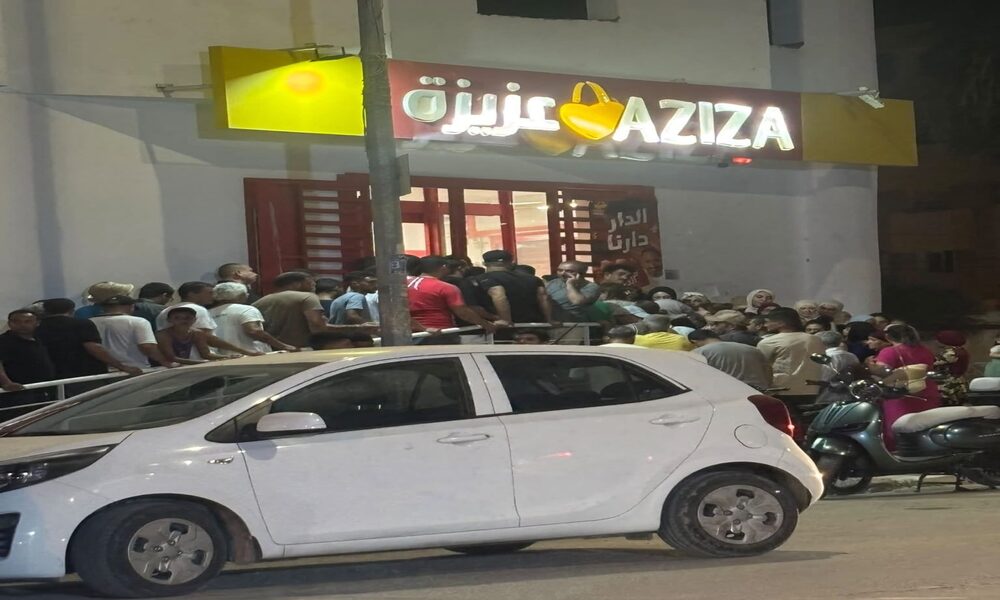
In the capital and across the country, shoppers describe a daily scramble for basic goods.
Shortages affected bottled water, vegetables, sugar, chicken and eggs, according to citizens speaking to Le Courier International.
Rolling electricity blackouts imposed by the state utility STEG disrupted water pumping stations, hospitals, and households.
The Tunisian Water Observatory recorded hundreds of interruptions to potable water distribution, contributing to a nationwide shortage of bottled water in a country where many rely on it as their primary drinking source.
Rice, and other staples have also been sporadically unavailable, while food prices continue to climb despite a 5 percent wage increase granted earlier in the year.
Authorities have stepped up market controls and announced plans to “rationalize” imports in response to a widening trade deficit, echoing language and policies long used by Algeria to manage its own foreign-exchange constraints and supply problems.
For years Algiers has restricted imports in the name of protecting hard currency reserves and fighting “speculators,” only to see empty shelves for everyday products, a booming parallel market, and persistent economic underperformance.
Tunisia, already more open and more dependent on external financing than its larger neighbor, risks the same outcome as it tightens state oversight of trade and distribution while rejecting broader structural reforms and International Monetary Fund support.
The shortages expose deeper structural weaknesses: years of underinvestment in energy and water infrastructure, tight public finances that delay imports of subsidized goods, production disruptions caused by power cuts, and a growing reliance on Algeria for energy and informal cross-border supplies.
Economic growth of around 2.4% in the first half of 2026 has done little to ease the pressure on household budgets or restore confidence in the state’s ability to deliver basic services.