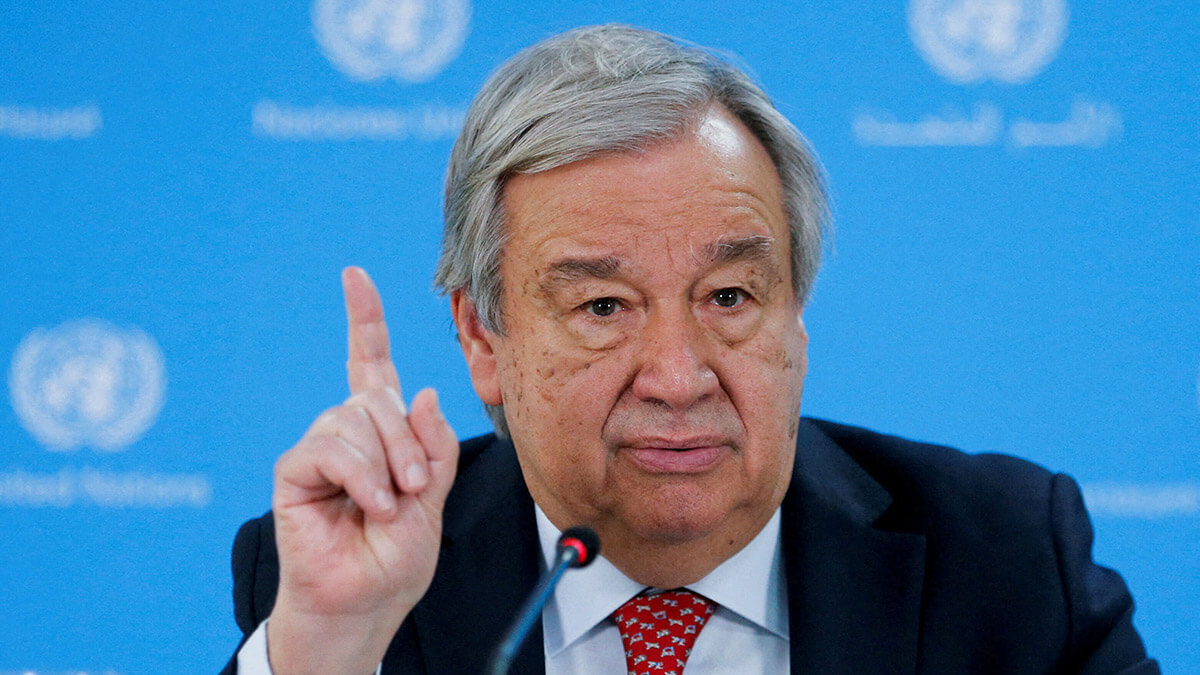
The latest report by UN Secretary-General António Guterres on the Sahara marks a significant evolution in the political process, moving beyond statements of principle toward concrete discussions on transitional modalities for a settlement, with Morocco’s autonomy initiative firmly established as the basis for negotiations as consecrated by Resolution 2797 adopted by the Security Council in October 2025.
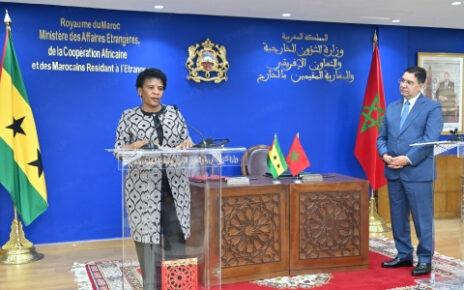
According to the report, talks that resumed in early 2026 under UN and US facilitation involving Morocco, Algeria, Mauritania and the Polisario have advanced to a more operational stage.
Three rounds of negotiations were held in Washington and Madrid focusing not only on the nature of a solution but also on practical mechanisms that could accompany a political settlement.
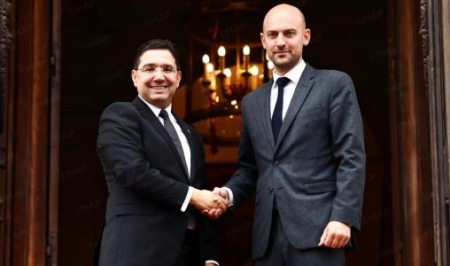
Morocco presented an expanded version of its autonomy proposal and expressed readiness to negotiate and jointly implement a formula with the Algeria-backed Polisario.
The Polisario, for its part, put forward ideas based on a text it had submitted to the Secretary-General in October 2025, according to the report.
A key element examined during the Madrid and subsequent Washington rounds was the possible creation of a transitional council.
This body could manage the interim period while also serving as a framework for negotiating the detailed terms of a final political settlement.
The UN and US teams have begun preparing a draft framework agreement on a potential transitional phase, covering issues such as resources, reconciliation, disarmament, elections and international guarantees.
While the three rounds did not produce a final agreement, the report notes that discussions have reached a more detailed level, addressing provisional structures as well as political, security and economic mechanisms that could underpin a future settlement.
The evolution described by Guterres confirms that the political process has shifted from managing a stalemate to exploring practical pathways toward a solution grounded in the Moroccan autonomy plan.