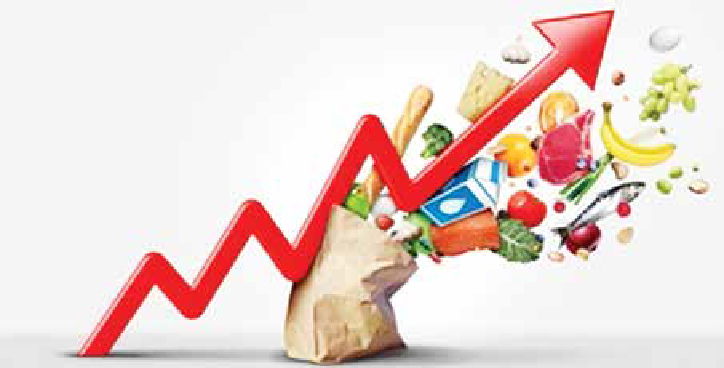
Inflation remains moderate in Morocco and is expected to stay so until the end of 2026, but the lull looks temporary. Prices rose by an average of just 0.3% over the first eight months of the year, according to the High Commission for Planning (HCP), mainly because of falling prices for some food products.
BMI/Fitch Solutions corroborates the trend, noting that the food component swung from year-on-year growth of 2% in the first half of 2025 to deflation of 1% in the first half of 2026. Food accounts for more than 38% of the average household basket. For 2026 as a whole, inflation is expected to average 0.7%.
Bank Al-Maghrib anticipates an acceleration in 2027, with inflation reaching 1.5%, driven mainly by core inflation, which excludes volatile and regulated prices. Core inflation is projected to rise from -0.2% this year to 2.2% in 2027. The central bank cites two factors: the fading of the food-price contraction, notably for olive oil, and relatively high imported inflation. BMI/Fitch adds that the effect of good cereal harvests should begin to fade in the fourth quarter of 2026.
Risks could push inflation off this path. BMI/Fitch points to currency risk and climate, noting that Morocco’s more flexible exchange-rate regime would amplify price pressure if the dirham weakened more than expected. A poorer domestic harvest in 2027 is another threat, and because Morocco still depends on imported food, higher world prices, possibly linked to El Niño, would lift inflation beyond forecasts.
Despite the expected pickup, BMI/Fitch forecasts that Bank Al-Maghrib will leave its policy rate unchanged until the end of 2027, with inflation staying below 2%. Since 1995, the bank has entered only two tightening cycles, in 2008-2009 and 2022-2024, when prior-quarter inflation averaged 4.4% and 8.3%.