Spanish protests over the expulsion of RTVE and EFE crews from Fnideq on August 15 has exposed what critics call a glaring double standard on press freedom, one where Spanish journalists’ rights trigger immediate government statements, while similar treatment of Moroccan and Italian journalists on Spanish-controlled soil draws only silence.
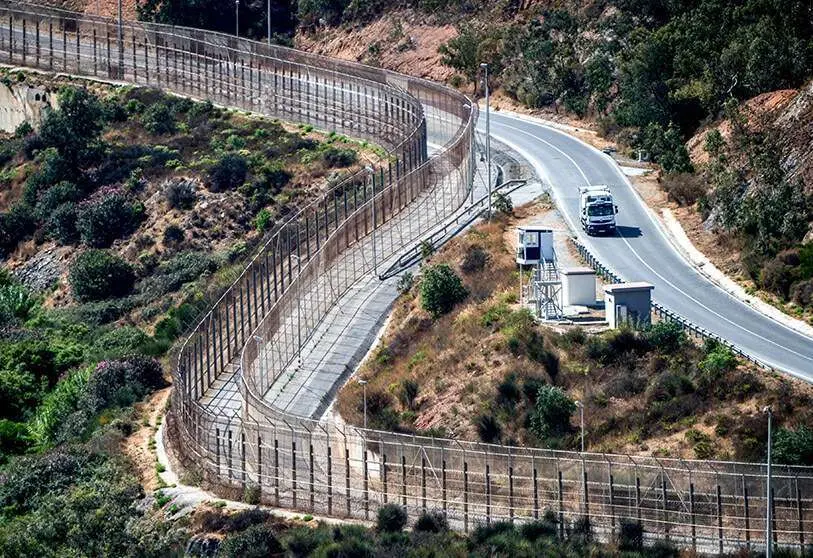
Moroccan authorities asked the Spanish crews to leave Fnideq while covering the border situation near Sebta.
Madrid reacted swiftly, pursuing a diplomatic resolution, while RTVE and EFE denounced a violation of the right to inform.
That reaction stands in sharp contrast to Spain’s response to two earlier incidents. Days before, a crew from Moroccan state broadcaster 2M had its equipment confiscated in Sebta despite meeting all required conditions. Moroccan journalists said they were misstreated and their equipment confiscated by Ceuta authorities.
A journalist from outlet Hiba Press was also reportedly assaulted by Spanish police on duty in Sebta.
Neither incident drew a Spanish government statement or comparable domestic media coverage.
Soon after, Italian broadcaster RAI crew from, led by correspondent Lorenzo Lo Basso, was subjected to unusually intensive checks and restrictions.
The Italian journalist said on his social media account that once his team presented Italian passports, controls tightened sharply. Their vehicle and equipment were held for hours, forcing the crew to continue on foot before recovering their gear later.
Spanish news agency EFE made no mention of either the 2M or RAI incidents until its own journalists were expelled from Fnideq, at which point it referenced 2M’s earlier complaint only in passing.
While Spanish crews were permitted to film before being asked to leave, the 2M team was denied entry to Sebta altogether.
Press freedom “has no nationality” and calls on Madrid to apply to itself the standards it demands of Rabat, framing this as essential to a relationship already anchored in cooperation on migration, security, and trade.
The episode adds to recurring friction over Sebta and Melilla, territories Morocco considers occupied, as media and diplomatic tensions between Rabat and Madrid continue to simmer.