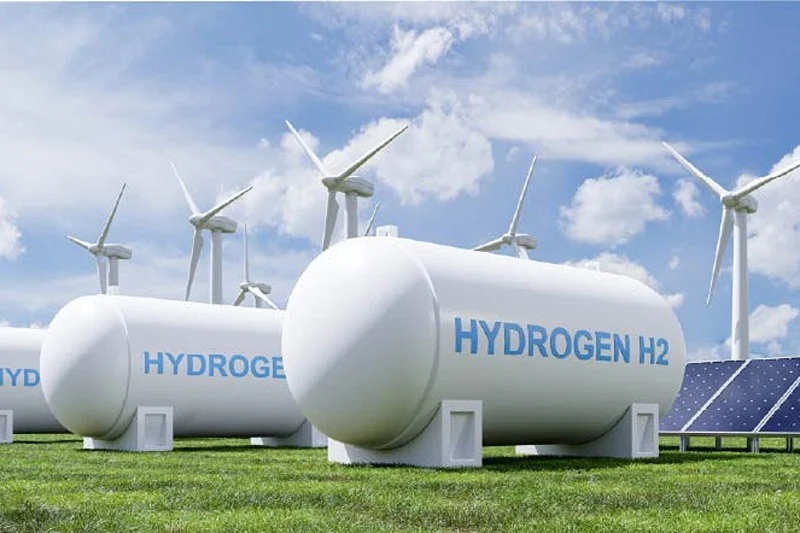
Morocco has established itself as one of the most serious candidates for a competitive green hydrogen industry at the regional level, but a new UN report finds the regulatory architecture needed to support that ambition remains significantly underdeveloped, according to Le Matin.
The report, produced by the UN Industrial Development Organization for Morocco’s Energy Transition Ministry under Green Climate Fund financing, examined national legislation and gathered input from a February workshop with the main government bodies involved in the hydrogen file. It found that while strategic foundations exist, including a national hydrogen commission since 2019 and the Masen-led Morocco Offer launched in 2021, they have not yet been translated into operational rules tailored to hydrogen’s specific needs.
Gaps identified include the absence of hydrogen-specific workplace safety standards, despite projections that the sector could generate around 300,000 direct jobs by 2030, as well as no dedicated certification regime aligned with European standards and no unified permitting process, forcing project developers to navigate overlapping environmental, industrial and energy regulations. Ninety-one percent of institutions surveyed described interministerial coordination on hydrogen as limited or ineffective.
Water availability also poses a challenge: rules governing desalination for electrolyzer use remain undefined even as Morocco faces prolonged drought, while financing instruments, though substantial, remain concentrated on export-oriented megaprojects rather than domestic industrial uses such as green steel or fertilizers. The report noted Morocco has yet to establish direct investment or operating cost support specifically for domestic hydrogen applications.
With the European Union’s carbon border mechanism now covering hydrogen among goods requiring emissions certificates, the report warns Moroccan exporters risk added costs or market barriers without an aligned national traceability system. Its central recommendation is a formal interministerial coordination mechanism, alongside a unified permitting window, a national certification system, a gradual carbon tax and green public procurement mandates.