Tunisia’s healthcare system is under mounting strain as a surge in doctor emigration, driven by poor working conditions and limited prospects, erodes the country’s public medical capacity, a report by the Tahrir Institute for Middle East Policy (TIMEP) said.
The findings come as Tunisia faces worsening economic conditions in recent years under President Kais Saied, with critics pointing to declining living standards and an increasingly repressive political climate that has further dimmed professional prospects and accelerated the outflow of skilled workers.
The report highlights a sharp acceleration in departures, noting that around 84% of newly trained doctors chose to leave Tunisia in 2025, despite the state investing heavily in their education, estimated at about 150,000 dinars ($50,000) per doctor.
Young doctors cite low salaries, delayed payments, and heavy workloads as key factors behind their decision.
Resident doctors earn about 1,400 dinars ($480) per month, while compensation for night shifts can be as little as 1 to 3 dinars per hour, sometimes paid late, according to the report.
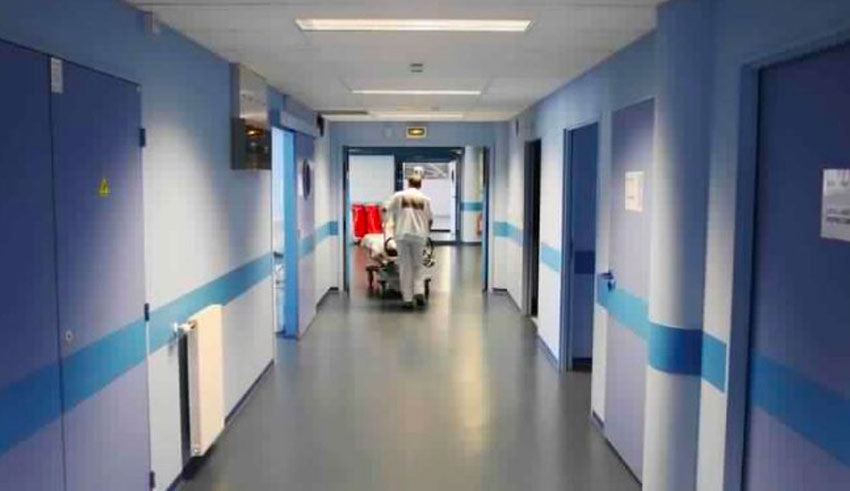
The exodus follows years of unrest in the sector. Strikes and protests intensified in 2025 amid frustration over unfulfilled government commitments to improve working conditions and hospital infrastructure. Doctors have also pointed to safety concerns, outdated equipment, and critical shortages of supplies in public hospitals.
Public hospitals, already facing staff shortages, are losing experienced personnel to both emigration and the domestic private sector.
As a result, patients increasingly face long waiting times and limited access to care. In some cases, delays in diagnosis and treatment have had serious consequences, with the report citing preventable disease progression linked to equipment shortages and overcrowded facilities.
The authors warn that without comprehensive reforms, including better pay, improved infrastructure, transparent evaluation systems and stronger workplace protections, the exodus is likely to continue, further weakening the system.