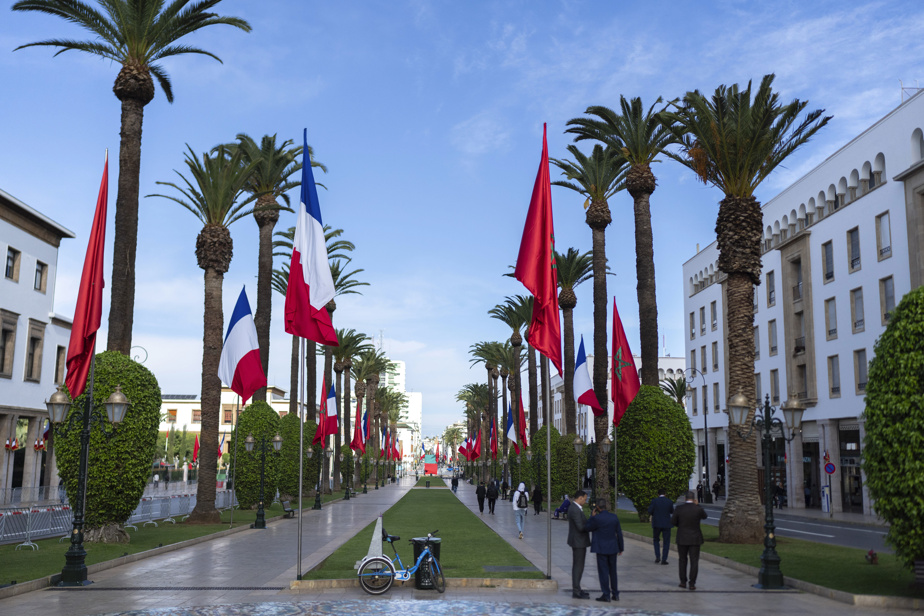
Morocco and France are moving to consolidate a renewed strategic partnership, including preparations to activate a high‑level committee tasked with shaping the long‑term future of bilateral ties, even as a handful of far‑left pro-Algeria political and media circles in France step up unfounded criticism of the rapprochement.
This comes as the two countries are finalizing the contours of what French and Moroccan officials have described as a special committee, composed of senior figures from both sides. The body is expected to make proposals aimed at reinforcing cooperation in areas ranging from security and justice to economic investment, culture, and regional policy.
The initiative forms part of a broader reset in relations following years of episodic tension, and comes after France’s recognition of Moroccan sovereignty over the Sahara – a decision that marked a turning point in bilateral ties and paved the way for closer political and strategic alignment.
As this process advances, the renewed partnership has drawn empty criticism and a rehearsal of past unfounded accusations from certain media and political groups in France.
On Sunday, public broadcaster France 5 aired a documentary revisiting Morocco France relation from the colonial era to the present, a program that Moroccan analysts and officials say offered little new information while recycling fallacious claims.
The timing of the broadcast has raised eyebrows in diplomatic circles, as it coincided with what both governments describe as the final stages of shaping an unprecedented strategic partnership.
The political class in Morocco argues that the broadcast’s framing and selective focus reflected the views of marginal ideological currents opposed to closer ties between the two countries.
Opposition to the rapprochement comes largely from far‑left political and media actors in France who have long been critical of Morocco’s growing regional influence and of Paris’s recalibrated stance in North Africa.
Some analysts also point to unease among groups nostalgic for an older, asymmetrical relationship, at a time when Rabat has asserted itself as an increasingly autonomous regional power.
Meanwhile, cooperation between the two countries has continued to deepen, particularly on security. French officials have repeatedly acknowledged Morocco’s role as a key intelligence and counter‑terrorism partner, while police and judicial cooperation has expanded through joint agreements and technical action plans.
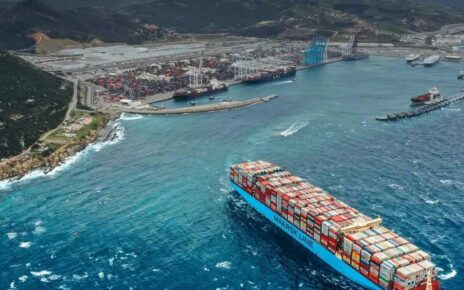
Economic ties have also strengthened. France remains one of Morocco’s leading investors, while Rabat has positioned itself as a gateway for French companies seeking to expand in Africa, including in sectors such as energy, infrastructure and transport.