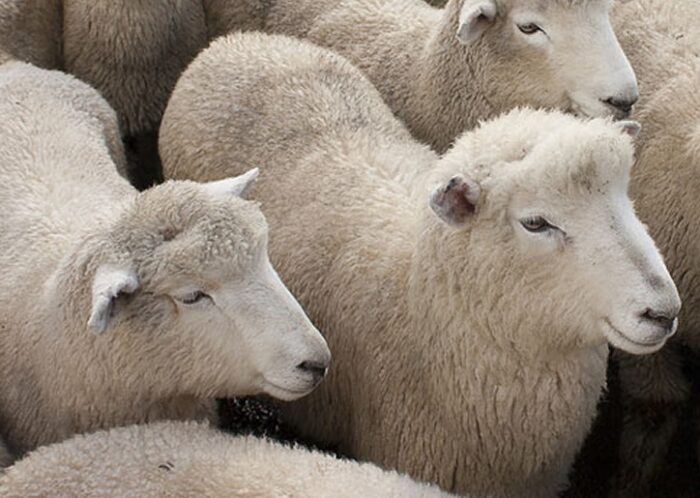
Morocco has launched a nationwide inspection operation targeting sheep and goat breeding females, marking a critical step in the government’s livestock herd reconstitution program. Starting March 24, 2026, inspection teams will verify whether beneficiaries have honored their commitment to retain the reproductive females that were identified and registered during a census campaign conducted between June and August 2025.
The operation, implemented under Royal directives, is a prerequisite for the disbursement of the second and final tranche of direct financial assistance to eligible livestock farmers. Farmers who can demonstrate compliance — meaning their registered breeding females remain in their possession — will be entitled to receive this concluding payment, distributed through the same channels as the first tranche to ensure continuity and procedural consistency.
The nationwide rollout falls under the joint supervision of the Ministry of Agriculture, the Ministry of Interior, and the Ministry of Economy and Finance. Local commissions have been mobilized across all provinces and prefectures to coordinate inspections. Verification will draw on data from the national livestock census as well as the animal identification system established in the first phase — a tagging mechanism applied to all registered animals.
The program was designed in response to a prolonged period of strain on Morocco’s livestock sector. Repeated droughts, escalating input costs, and dwindling fodder resources had significantly weakened national herd numbers in recent years. By incentivizing farmers to preserve reproductive females, authorities aim to rebuild the country’s livestock base, secure the domestic red meat supply, and strengthen the sector’s long-term resilience against climate and economic shocks.
Officials have urged all concerned farmers to participate actively in the inspection process, which they describe as essential to the overall success of the program.