Tunisia’s economy could face a period of heightened uncertainty as global financial institutions warn of increased volatility in currency and energy markets amid escalating geopolitical tensions, particularly in the Middle East.
For Tunisia, which is deeply tied to global trade and heavily dependent on imported energy, these shifts represent critical variables for macroeconomic stability, growth and public finances. The coming months may test the resilience of the country’s economy.
Currency markets have been unsettled for weeks as investors seek safe‑haven assets, supporting US dollar appreciation. This would further deepen Tunisia’s trade deficit and worsen an inflation already at 5%.
Sustained oil prices above $90 per barrel would keep pressure on public finances through higher energy subsidies, as the state seeks to shield households and businesses from rising costs.
Tunisia’s reliance on imported oil and gas leaves its external balances exposed to price swings. Higher energy costs widen the country’s trade deficit, increase financing needs and weigh on the dinar.
With a soaring unemployment rate at 15.4% by end of 2025, Tunisia would face a delicate balancing act, whether to continue subsidizing prices or redirect scarce funds to spur investments and break the long cycle of sluggish growth.
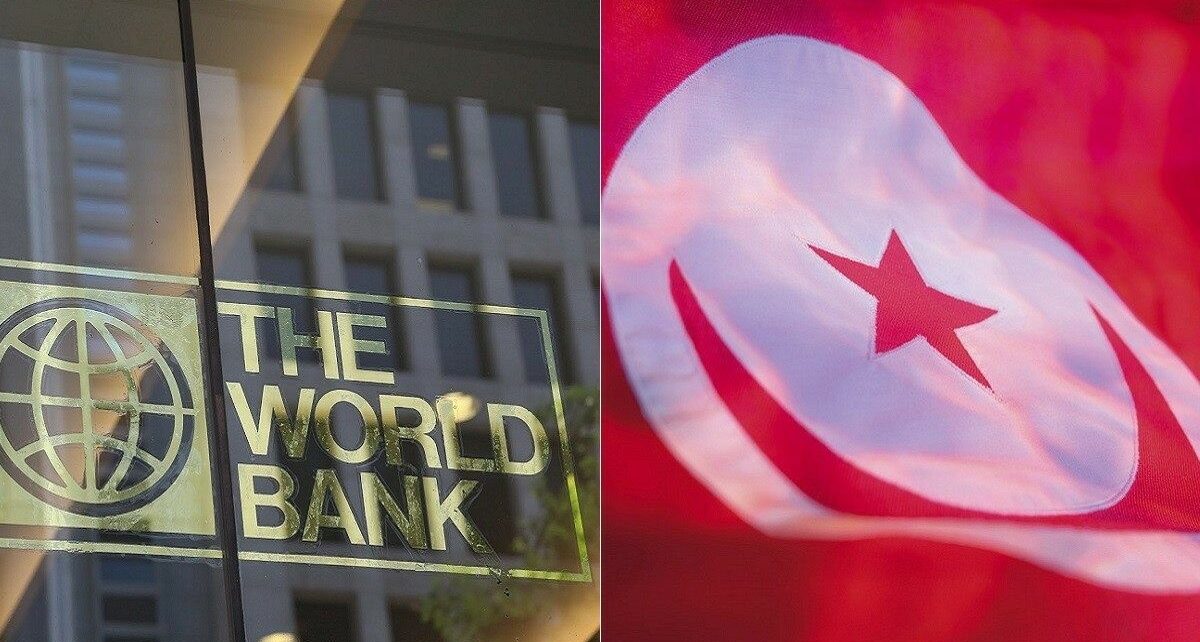
The World Bank expects the Tunisian economy to grow 2.5% in 2026 up from 1.6% last year. But the forecast may need to be reviewed in light of the fallout of the Gulf war on Tunisia.