Morocco faces no immediate disruption to its gas supply despite a sharp jump in global prices triggered by Qatar’s temporary suspension of production following Iranian strikes. The turmoil in energy markets has also reinforced the value of Morocco’s long-term push into renewable energy, which helps reduce its exposure to geopolitical shocks.
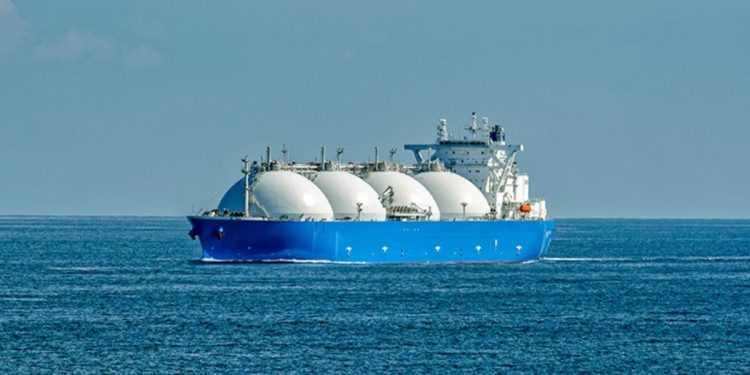
Morocco does not import Qatari LNG and sources its gas needs through long-term contracts and spot purchases via Spain terminals.
This structure insulates the country from direct supply risks even as markets reacted sharply in the wake of the US-Israeli conflict with Iran.
National demand stands at around one billion cubic meters per year, used mainly for power generation, with gas representing less than 10% of the electricity mix, compared with 24% for renewables, while coal accounts for the bulk of energy production in the country.
Morocco aims to increase installed capacity of renewable energy from 45% currently to 52% in four years.
Supplies are managed by the national utility ONEE through a combination of contracts, including about four annual cargoes from Shell priced partly under long-term formulas.
Morocco buys LNG on the spot market, regasified in Spain and transported via the Maghreb-Europe pipeline to the Aïn Bni Mathar and Tahaddart plants.
While secure in the short term, sustained tension in global gas markets could impact Morocco’s energy bill. A prolonged surge in international prices would gradually raise the cost of spot purchases and push up the gas component of the national energy system.
Case for renewables
Such volatility underscores the strategic value of Morocco’s accelerating investment in solar and wind capacity, designed precisely to reduce reliance on imported fossil fuels.
The interruption in gas and oil markets comes amid lingering regional instability could worsen in case of prolonged disruption in the Strait of Hurmuz due to the conflict with Iran.
For Morocco, the episode is a chance to speed up its renewable energy and green hydrogen plans.