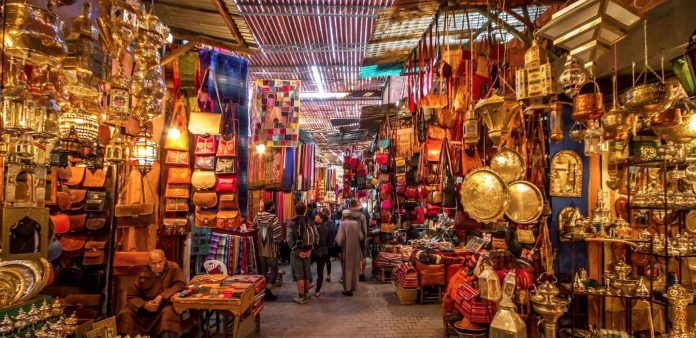
Morocco is reshaping the way it views and manages its artisanal sector — moving decisively from treating it as a social support mechanism toward positioning it as a genuine driver of national economic wealth and export growth.
The sector’s current scale is already impressive. Artisanal activity contributes approximately seven percent of Morocco’s GDP and employs more than 2.6 million people, accounting for 22 percent of the active workforce. Spanning over 172 distinct trades, the sector generated exports exceeding 1.2 billion dirhams in 2025, with the American market and demand for traditional Moroccan ceramics among the leading contributors to that performance.
The data were revealed during a debate organized by La Vie Economique media in Casablanca. the event was attended by several officials and stakeholders, including State Secretary for Artisanal Affairs Lahcen Essaadi.
A new strategic roadmap, expected to be finalized by the first half of 2026, will codify the sector’s transformation. State Secretary for Artisanal Affairs Lahcen Essaadi has moved swiftly since taking office, accelerating modernization efforts and providing the professional chamber with the institutional tools needed to support that evolution. His objective is unambiguous: artisanal production must become a creator of real economic value, not merely a cultural or social footnote.
A central pillar of this transition has been the formalization of the workforce. The introduction of an electronic professional card now grants registered artisans access to healthcare through the AMO mandatory health coverage scheme at a monthly contribution of 150 dirhams, along with public transport discounts and improved access to banking services. These measures are designed to incentivize artisans to operate within the formal economy and strengthen the sector’s collective bargaining capacity with public institutions.
Tarik Sadik, Director General of La Maison de l’artisan, emphasized, during the debate, market access dimension of the strategy, noting that the institution has been mandated to identify export opportunities and promote Moroccan craftsmanship internationally. Tourist spending on articraft products already accounts for ten percent of the country’s foreign currency receipts — a figure that illustrates the sector’s untapped commercial potential.
The craft heritage dimension also weighs heavily on policymakers. Thirty-two traditional trades face extinction, prompting the renewal of a UNESCO conservation program extended through 2030. Preserving the cultural identity embedded in products such as zellige tilework — which carries centuries of spiritual and artistic history — is viewed not as an obstacle to modernization but as its most compelling selling point.
Essaadi also welcomed the Finance Ministry’s decision to integrate artisanal activity into the national Investment Charter, unlocking subsidy mechanisms that should meaningfully accelerate access to international markets and boost export revenues. With over 1,000 companies now registered within the CGEM’s artisan commission, the institutional infrastructure is taking shape. The ambition, as sector stakeholders see it, is well within reach.