Morocco is consolidating a long-term gas strategy as record Spanish imports and major LNG and pipeline tenders signal a shift from emergency arrangements to a structured national gas system designed to cut coal dependence, stabilize the grid and support industrial demand.
Morocco imported 10,375 gigawatt-hours of natural gas from Spain in 2025, a 7% increase from 2024 and the highest level since Spain reversed the Maghreb‑Europe pipeline (GME) to flow south after Algeria halted supply in 2021, according to Spanish system operator Enagás and reserve authority Cores.
The flows exceeded 90% of the GME’s annual technical capacity of 11,500 GWh, with several months surpassing the theoretical monthly maximum of 960 GWh.
The rise cemented Morocco as the second‑largest destination for Spanish gas re‑exports in 2025 with a 26% share, behind France at 35%.
Spain does not sell Moroccan‑bound gas from its own production. Rabat buys LNG on international markets, regazifies it in Spain and transits it through the GME.
Imports have increased steadily from 9,471 GWh in 2023 to 9,703 GWh in 2024, reaching last year’s record.
The sustained growth underscores gas’s expanding role in Morocco’s energy mix, providing flexibility for electricity generation and buffering industries that previously relied heavily on fuel oil.
Officials say gas now complements intermittent solar and wind generation, reducing vulnerability to renewable fluctuations and enabling a smoother transition away from coal.
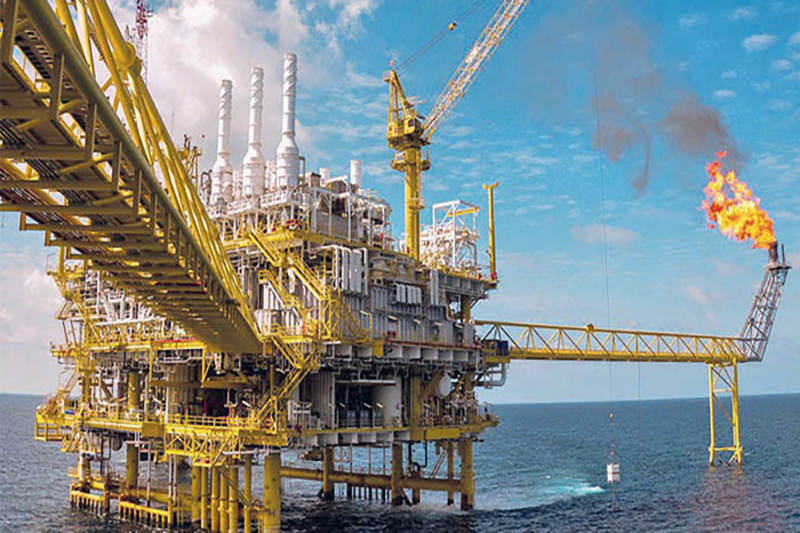
To reduce dependence on Spain’s regazification system and secure direct access to international LNG markets, Rabat has launched two major tenders. The first concerns a floating storage and regazification unit (FSRU) at Nador West Med.
A second tender targets a national gas pipeline corridor linking Nador West Med to the GME and extending to industrial hubs in Mohammedia and Kénitra.
Morocco frames gas as a transition fuel crucial to lowering emissions as it pursues its climate goals. The country aims to generate 52% of installed electricity capacity from renewable energy sources by 2030, with gas infrastructure providing stability while large‑scale solar, wind and green hydrogen projects expand.