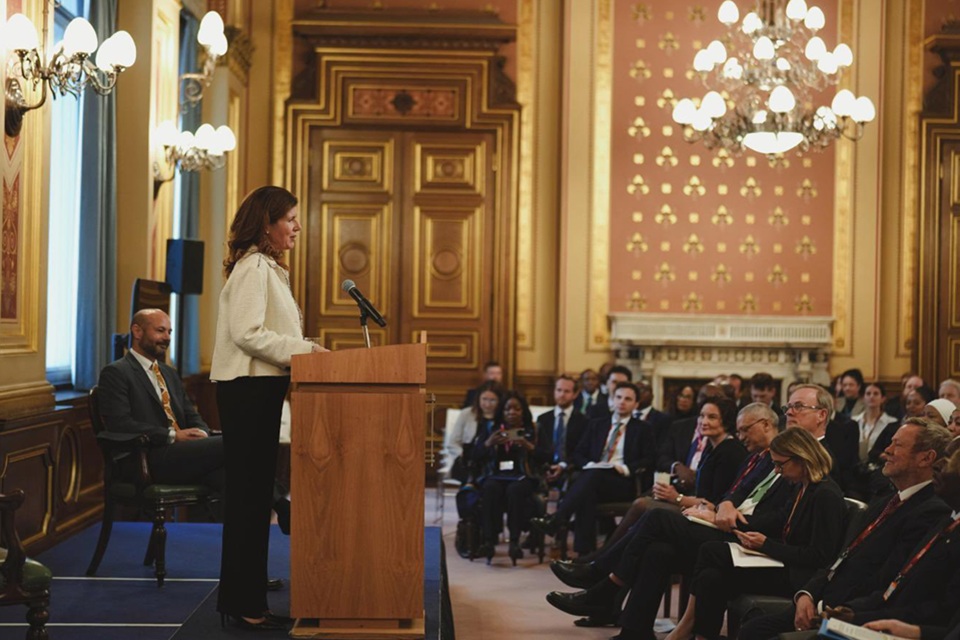
The United Kingdom has launched a comprehensive new approach to African engagement, pivoting from traditional aid frameworks toward investment-driven partnerships emphasizing trade, climate action, and long-term collaboration. Baroness Chapman of Darlington, UK Minister for Development and Africa, unveiled the policy this week in London before African ambassadors, high commissioners, parliamentarians, civil society representatives, and private sector leaders.
Speaking at the Foreign, Commonwealth and Development Office, Chapman explained the previous Africa approach reflected outdated realities no longer matching contemporary global dynamics. The new strategy emerged from five-month consultations led by her predecessor, Lord Collins, receiving input from over 600 organizations including African governments, businesses, universities, civil society groups, and diaspora communities.
“We are not donors,” Chapman declared. “We are partners, investors, and reformers.” The approach prioritizes economic growth support, job creation, and strengthened UK-Africa trade ties. Chapman referenced existing agreements including trade partnerships with Kenya and Nigeria, infrastructure cooperation with Morocco ahead of the 2030 World Cup, and renewed growth partnerships with South Africa, while reaffirming UK support for the African Continental Free Trade Area.
UK-backed investment institutions including British International Investment and UK Export Finance will continue supporting African businesses, local capital markets, and private sector growth alongside continued African Development Bank partnerships mobilizing private development capital.
The strategy addresses migration through fair management while combating illegal movement by partnering with African governments to address irregular migration root causes, disrupt criminal networks, and improve border security alongside humanitarian support provision. On climate change, Chapman acknowledged Africa contributes minimally to global emissions while facing severe climate impacts, pledging increased renewable energy investment, sustainable agriculture support, and climate finance, particularly backing Mission 300 targeting electricity access for 300 million Africans by 2030.
Additional commitments include £850 million to the Global Fund combating HIV/AIDS, tuberculosis, and malaria—potentially saving over one million lives—alongside supporting international debt reform and greater African representation in institutions like the IMF and World Bank. The strategy’s final pillar emphasizes innovation, education, and cultural exchange through expanded cooperation in artificial intelligence, digital skills, research, sports, and creative industries.