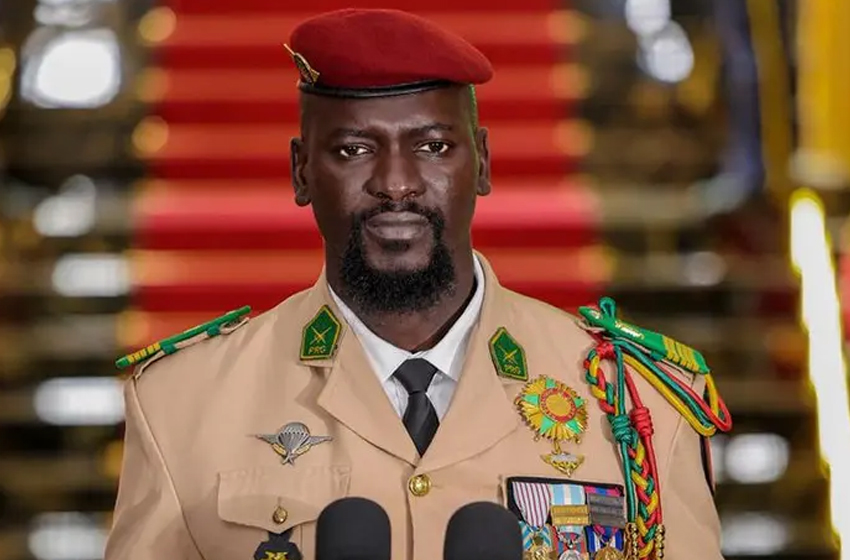
Guineans head to the polls this Sunday (21 September) in a controversial constitutional referendum that could open the door for junta leader Mamady Doumbouya to run for president — despite his earlier pledge not to do so.
The draft constitution would replace the post-coup transitional charter, which barred military officials from seeking elected office. This restriction is conspicuously absent from the proposed new text, fueling concerns that Doumbouya is positioning himself for a long-term grip on power. The referendum also proposes extending presidential terms from five to seven years and allowing the president to appoint one-third of senators. More than 6.7 million voters are registered, with the constitution passing if over 50% of votes cast are in favor.
While the government frames the vote as a step toward civilian rule, critics see it as a veiled attempt to legitimize military control. Opposition parties, many of which have been suspended or exiled, have called for a boycott, denouncing the process as undemocratic and repressive. Human rights groups have also sounded the alarm, citing enforced disappearances, media crackdowns, and restrictions on political dissent. The voter roll has not been independently audited, and the electoral commission lacks autonomy, further eroding trust in the process.
Analysts warn that the referendum risks entrenching authoritarian rule rather than facilitating a genuine democratic transition. “Instead of restoring constitutional order, the referendum risks consolidating authoritarian rule and deepening Guinea’s legitimacy crisis,” wrote Ancuta Hansen, Director for the Pacific Islands of the National Democratic Institute (NDI), in the DevPolicy Blog. With international attention elsewhere, Guinea’s political future may hinge on a vote taking place in an atmosphere many say lacks transparency, inclusivity, and legitimacy.