Algeria’s recent high-profile inauguration of Somalia’s new embassy in Algiers reflects a calculated diplomatic strategy centered entirely on garnering international support for its Sahara position, highlighting the singular focus of Algerian foreign policy.
This charm offensive is not an isolated event. It is part of a long-standing Algerian diplomatic tradition: investing time, energy, and resources to counter Morocco on the international stage, even if it means relegating other strategic issues to the background. This is the constant in Algiers’ foreign policy. The Sahara is not just one issue among others — it is THE ISSUE.
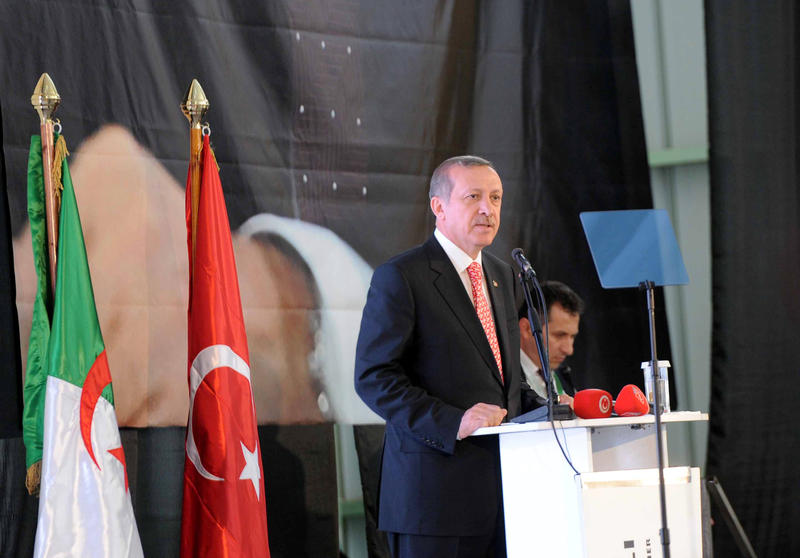
The elaborate ceremony for Somali Foreign Minister Abdisalam Omar Abdi Ali wasn’t merely ceremonial. Somalia currently serves as a non-permanent member of the UN Security Council, which will vote on a new Western Sahara resolution in October. Algeria, in its second and final year as a Security Council member, desperately seeks every possible vote for its positions.
This diplomatic courtship extends beyond Somalia. President Abdelmadjid Tebboune’s May visit to Slovenia aimed to secure concessions on the Sahara issue in exchange for generous gas contracts, but to no avail.
Algeria’s interpretation of diplomatic statements often diverges from reality. While Slovenian President Natasa Pirc Musar made general references to UN-mediated solutions, the Slovenian government had earlier affirmed that Morocco’s autonomy plan provides “a solid basis for a definitive solution” to the Sahara issue.
The pattern continued during Tebboune’s July visit to Rome, where he claimed Italian Prime Minister Giorgia Meloni had “reaffirmed together” support for Sahrawi “self-determination.” However, the official Italian communiqué contained no such language, mentioning only standard diplomatic references to “mutually acceptable” UN-framework solutions.
This single-issue diplomatic approach faces significant challenges. Among the five permanent Security Council members, three (United States, United Kingdom, France) officially support Moroccan sovereignty and the autonomy plan. China and Russia remain uncommitted, leaving Algeria with limited leverage.
The strategy’s effectiveness remains questionable, as demonstrated by Somalia’s decision to open a consulate in Dakhla, undermining Algeria’s courtship efforts and illustrating the gap between diplomatic theater and substantive results.