Algeria’s recent oil and gas licensing tender, launched with high hopes to attract global investments, has drawn low interest with no US company bidding. This has pushed President Tebboune to take matters into his own hands reaching out to the two US oil giants: Chevron and Exxon Mobil.
The two companies sent senior officials- not even their CEOs- to meet Tebboune, who is on the run to save state coffers amid dim prospects for oil and gas prices in the years ahead.
Algerian state media and propaganda outlets portrayed the visit as a breakthrough. But facts on the ground show that the visit came at the request of the presidency to try to convince the two companies to invest in the country.
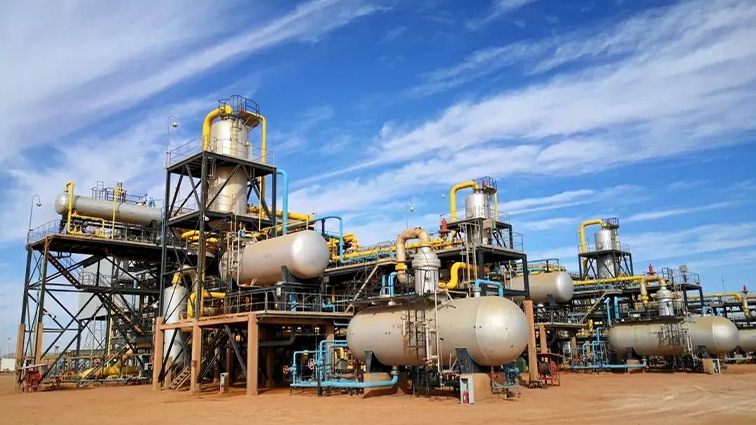
The invitation was triggered by the failure of a tender, which offered six onshore blocks across Algeria’s vast desert basins, along with incentives to lure oil giants to a country that has long been shunned because of its rigid terms and instability.
No major U.S. firms submitted bids, and participation from European and Asian players was tepid at best. In response, the government quietly extended the deadline to July 2025, hoping to buy time and rekindle interest.
In this context, Tebboune has launched a charm offensive behind the scenes targeting American energy giants. Tebboune’s message was: Algeria is open for business and willing to bend.
According to analysts, the US firms have laid out strict conditions for any future involvement, including full management and ownership of their operations, bypassing Algeria’s traditional 51/49 rule, legal guarantees to protect their investments from political or regulatory shifts and a reduced role for Sonatrach, the state-owned oil company that has long dominated the sector.
They also expressed worries regarding stability. During the rule of former President Bouteflika, shale oil triggered protests in Algeria’s south, highlighting the instability risk in the country, where authoritarianism and the economic outlook augurs ill for social peace.
The talks have already stirred mixed reactions in Algeria. Sycophant media speaks of an inroad, while nationalists warn of a loss of national sovereignty to US giants.
Yet, most of Algeria’s shale resources are located deep in the desert making any investment costly. Meanwhile, the International Energy Agency (IEA) shows that Algeria’s crude oil production in early 2025 has dropped to around 870,000 barrels per day, continuing a multi-year decline from over 1 million b/d in 2022. At least 60% of Algeria’s gas is used domestically, eating into its exports.
At stake is not just foreign capital, but Algeria’s broader economic future. With declining production, rising domestic consumption, and a youth population demanding jobs and reform, the pressure is mounting.