By ordering his government to “rationalize” imports and accelerate efforts to slash energy dependence, President Kais Saied is steering Tunisia down a path already proven disastrous by its larger neighbor Algeria, a path of state control, shortages, and deepening isolation.
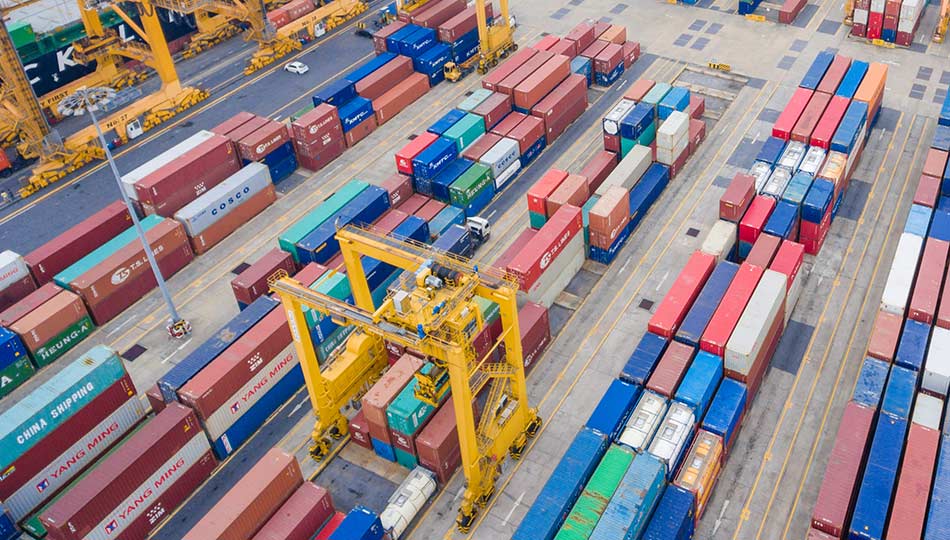
On 23 September, Saied summoned Prime Minister Sarra Zaafrani Zenzri and Central Bank Governor Fethi Zouhair Nouri and instructed them to curb imports in response to soaring prices and a trade deficit that hit $6 billion in the first eight months of 2026.
The move, explicitly compared by regional observers to Algeria’s long-standing policy of import compression, was framed by the presidency as a fight against “corruption, fraud and practices aimed at undermining the revolutionary process.”
Days later, Secretary of State for Energy Transition Wael Chouchane reinforced the same logic at the Ifriqiya Energy Hub forum in Tunis.
He declared that reducing Tunisia’s heavy reliance on energy imports – currently responsible for an energy deficit exceeding 60% – is now a matter of economic sovereignty.
On paper, the dual agenda of import restraint and energy self-sufficiency sounds prudent. In practice, it closely mirrors the Algerian model that has produced chronic shortages, a thriving parallel market, and persistent economic underperformance.
Algeria has spent years restricting imports in the name of protecting foreign reserves and fighting “speculators.”
The result has been empty shelves for basic goods, a ballooning informal economy, and a dinar locked in an administered regime that the IMF itself says is amplifying external shocks.
Tunisia, already far more open and far more dependent on external financing than Algeria, risks the same outcome.
Tunisia’s economy cannot afford Algeria-style autarky. Its energy deficit is structural, its public finances fragile, and its private sector starved of foreign currency and credit.
Restricting imports without a credible plan to boost competitive domestic production will not close the trade gap. It will simply shift scarcity from the official market to the black market and further deter the investment the country desperately needs.