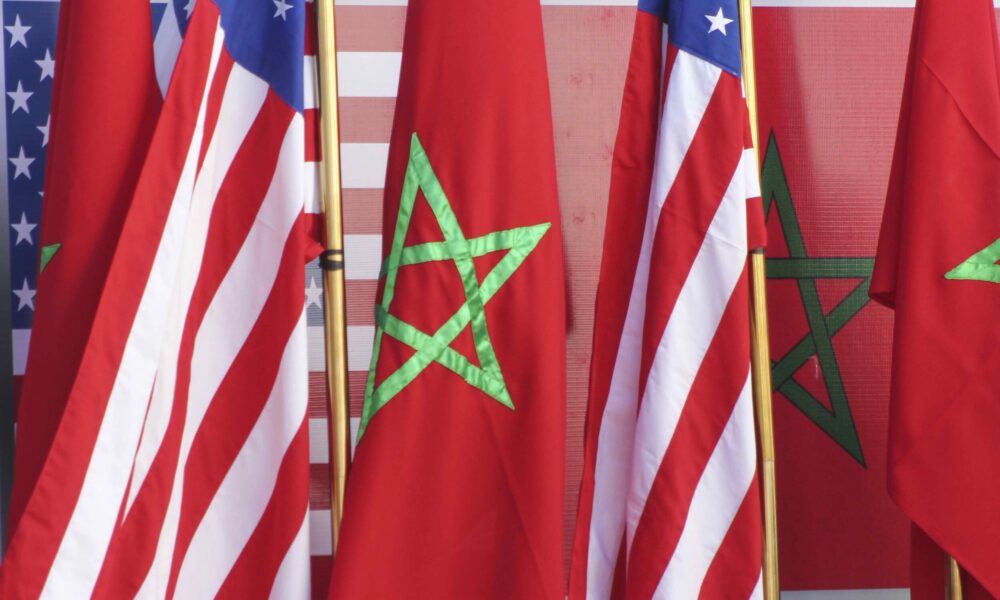
A delegation of farmers from Minnesota, Wisconsin and Ohio as well as US agriculture industry leaders have visited Morocco to strengthen agricultural trade, logistics and market opportunities between America, Africa and Europe.
The multi-state delegation, led by the USIP Alliance, also included U.S. officials from state agriculture departments and the Great Lakes St. Lawrence Seaway Development Corporation.
They visited the Casablanca and Tanger Med ports and discussed with local officials the role of ports and transportation infrastructure in expanding agricultural trade.
The Tanger Med and Casablanca ports are important components of Morocco’s international trade network, while the Great Lakes-St. Lawrence Seaway provides US farmers with access to global markets.
Improving connections between agricultural producers, ports, shipping companies and buyers could help make trade more efficient and open additional markets for both African and American producers.
Agriculture contributes almost 15% of Morocco’s GDP and employs nearly half of the country’s workforce. Despite its significant domestic agricultural sector, Morocco is also a major importer of agricultural commodities, including feed grains, pulses, rice, livestock products, dairy, poultry and soybeans.
The Kingdom imported around $180 million of US soybean meal in the 2024/25 marketing year, making it an important market for American farmers.
The United States and Morocco have maintained a free trade agreement since 2006, making Morocco the only African country with a US free trade agreement.
That relationship provided a platform for discussions around agricultural exports, port infrastructure, food processing and access to wider African, European and Middle Eastern markets.
For US producers, Morocco offers more than an export destination. Its strategic position could make it an important gateway into broader regional markets.