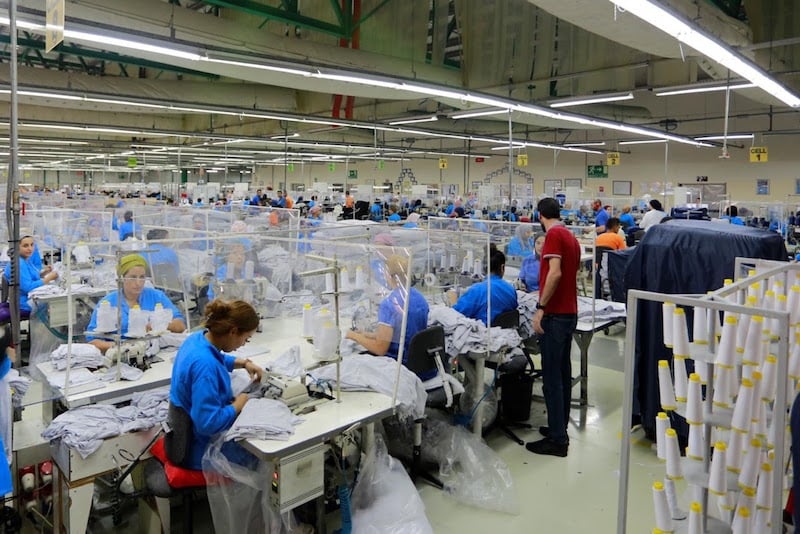
Morocco’s foreign trade figures for the first half of 2026 reveal a widening gap between the country’s fastest-growing industries and its historic textile and leather sector. According to Morocco’s Foreign Exchange Office, overall exports rose by a robust 9.7% year-on-year, even as textile and leather shipments fell 6.5%, a decline representing a net loss of 1.461 billion dirhams and bringing the sector’s total export value down to 21.069 billion dirhams.
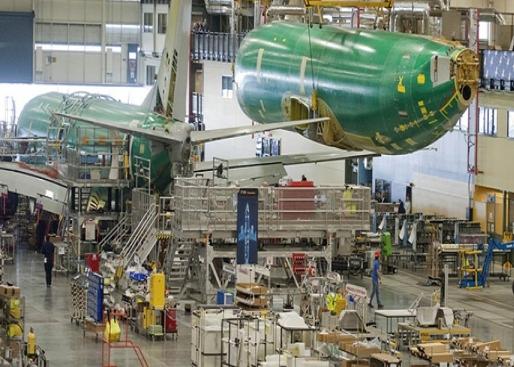
The setback comes as other industries post record gains. Automotive exports surpassed 93.7 billion dirhams, up 17.4%, while aerospace exports climbed 19.3% over the same period, underscoring a structural shift in the weight different sectors carry within Morocco’s export economy.
Every textile and leather sub-segment posted losses. Ready-to-wear garments, the sector’s principal driver, saw sales abroad slip 5.7%, a shortfall of 855 million dirhams. Knitwear fared worse, down 9.7% for a loss of 415 million dirhams, while footwear exports contracted 2.4%, equivalent to 36 million dirhams.
Analysts caution that export volumes alone do not capture the full picture; the figures reflect trade flows rather than domestic production capacity, investment levels, or employment in the country’s factories. Even so, the trend is unmistakable: textiles are losing ground internationally while more advanced industries accelerate.
Historically tied to the European market and integrated into global value chains, Morocco’s textile-clothing industry now depends heavily on European demand and its ability to respond to rising costs, shorter delivery times, and fierce international competition. Analysts see the sector’s future in a shift toward higher value-added segments — fashion apparel, upmarket finished products, and technical and smart textiles — as the path to reversing its decline.