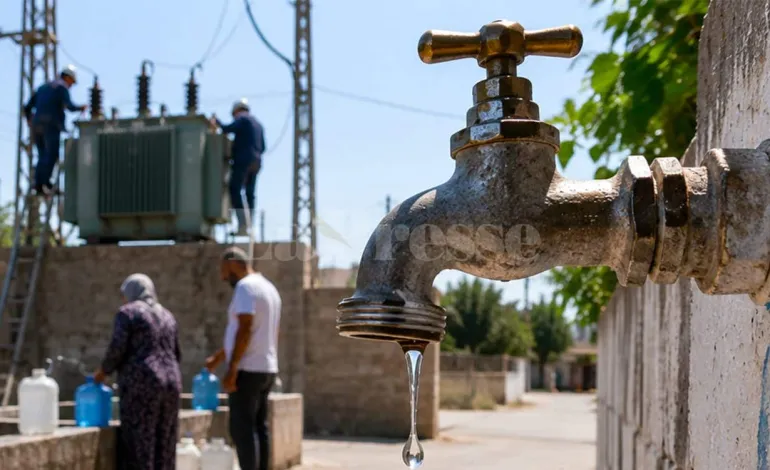
Tunisia is sweltering under extreme heat that has pushed temperatures near 50°C, with Kairouan recording 49.8°C on 27 August 2026, yet many Tunisians has to survive without access to electricity or water.
The heatwave has driven electricity demand to record levels, triggering widespread rotating power cuts by the state utility STEG and cascading disruptions to water supplies that depend on electric pumps, local media reported.
Hospitals are under severe strain, with doctors reporting sharp rises in heat-related admissions and deaths, while households face hours without air conditioning, refrigeration or reliable drinking water.
STEG has acknowledged demand peaking around 6,000 megawatts in July, far beyond the grid’s reliable capacity. Officials describe the cuts as necessary to prevent a total system collapse. In one documented case on 24 August, an electricity interruption halted the main Kerker pumping station, cutting drinking water to parts of Mahdia and Sfax.
Bottled-water production has also been hit by power rationing and material shortages, compounding the crisis.
These failures are not merely the result of weather. Tunisia’s electricity system remains heavily dependent on natural gas imported from Algeria, which accounts for the bulk of generation fuel and a significant share of direct power imports.
Years of underinvestment, unpaid subsidies and delayed diversification into renewables have left the grid fragile. When extreme heat hits both Tunisia and Algeria simultaneously, the neighbor’s own demand limits its ability to supply extra electricity, exposing the vulnerability of Saied’s energy strategy.
President Kais Saied has responded by blaming “deliberate acts of sabotage” intended to stir tensions and spread rumours, without providing concrete evidence or identifying those responsible.
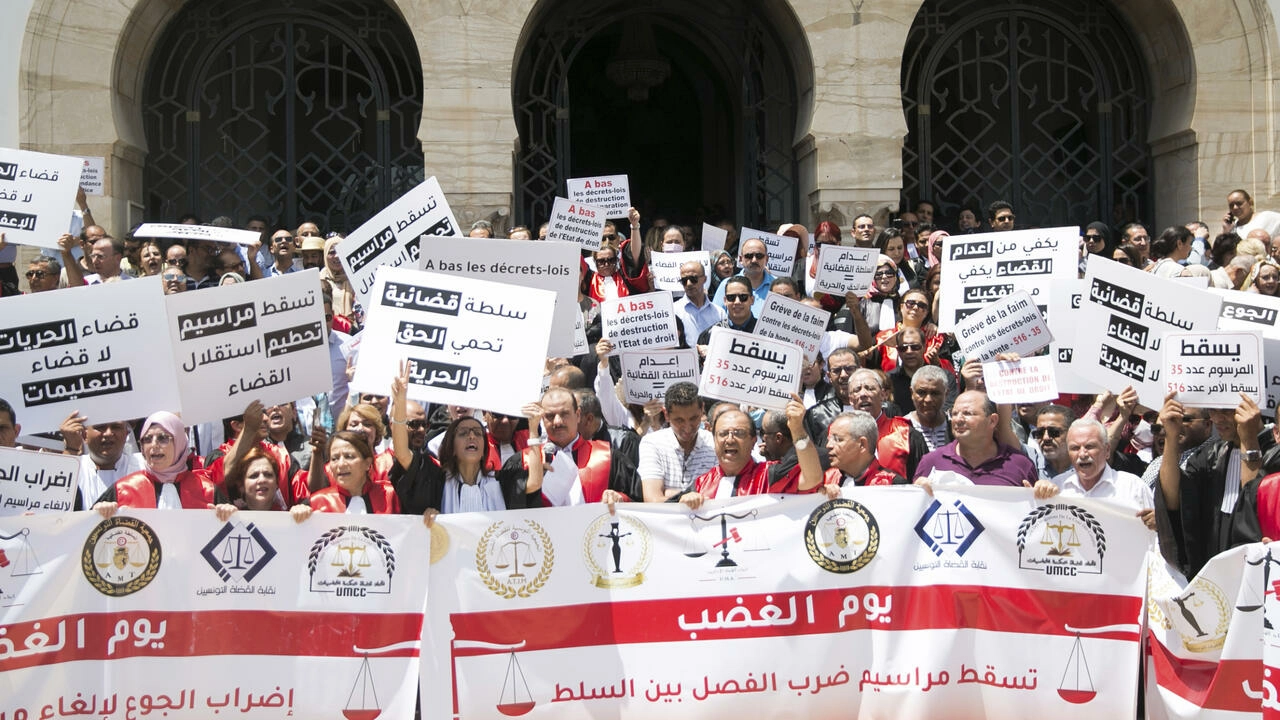
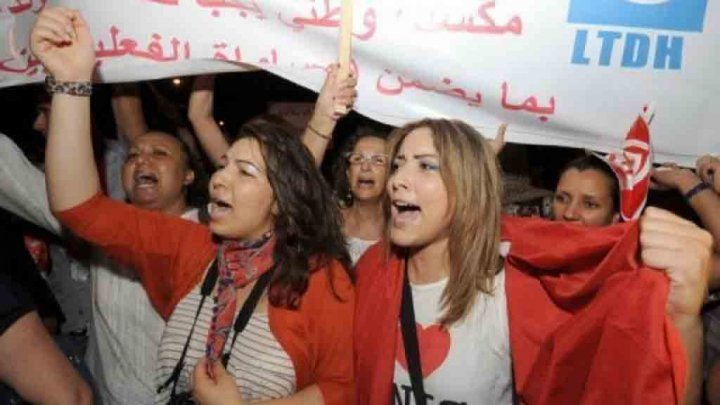
STEG and SONEDE, by contrast, point to technical overload and structural shortages. The gap between the president’s narrative and the operational reality has fueled public anger. Protests have grown, with demonstrators chanting against shortages of water, electricity and freedom.
Saied’s deepening political and energy dependence on Algeria has turned Tunisia into a de facto proxy rather than a sovereign actor capable of securing basic services. By prioritising alignment with Algiers over investment in domestic generation capacity, grid modernization and water resilience, the government has left citizens exposed.
Temporary electricity imports from Algeria offer no lasting solution. They rather underscore a policy of reliance that has hollowed out Tunisia’s ability to manage its own crises.