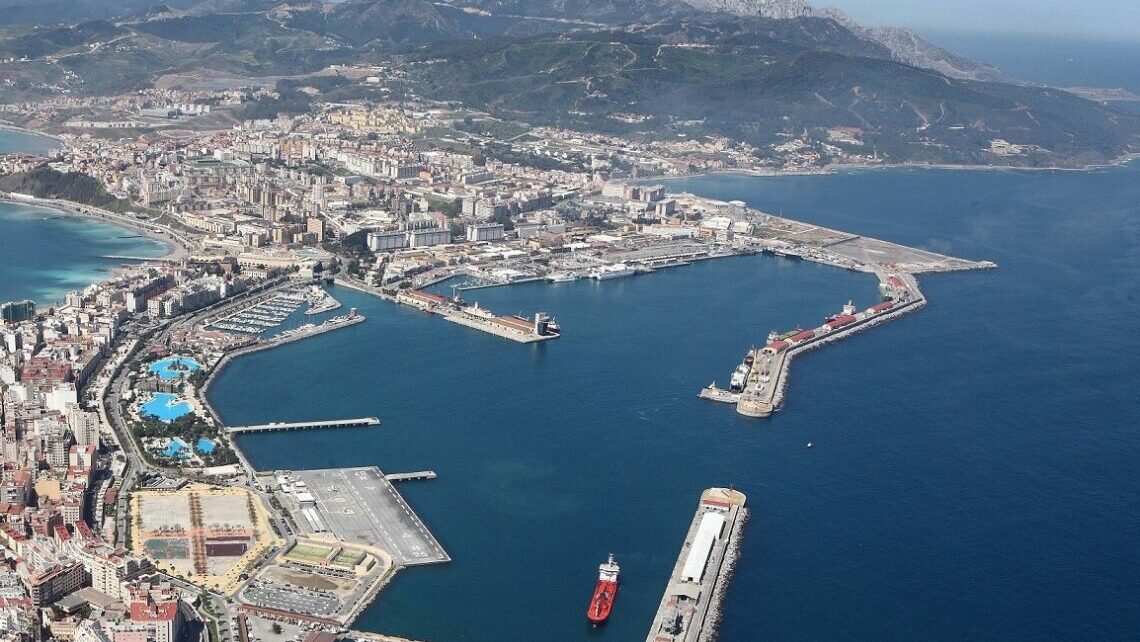
A Spanish intelligence report has credited close coordination between Moroccan and Spanish security services with repeatedly preventing terrorist networks from carrying out attacks in the Spanish-controlled enclave of Ceuta, according to details published by the Moroccan daily Al Ahdath Al Maghribia.
The report found that Moroccan services played a central role in unraveling the links between smuggling and drug money and terrorist financing.
According to the report, Ceuta has once again become a significant front in the fight against international terrorism, particularly jihadist networks, with several members of a cell arrested in the city center just last week.
The Spanish-occupied enclave’s strategic position as a gateway from North Africa into Europe has long made it a high-priority zone for Spanish security forces.
The latest raid, notably, exposed a more diffuse and harder-to-dismantle threat than past large-scale cells: online radicalization networks using the internet for propaganda, recruitment, financing, and communication with affiliates abroad.
Spain’s Interior Ministry recorded 458 counterterrorism operations nationwide between 2012 and June 23, 2026, leading to 816 arrests linked to jihadism. Of these, Ceuta alone accounted for 19 operations and 40 arrests. In just the first six months of 2026, Spain carried out 37 counterterrorism operations resulting in 68 arrests.