Franco‑Algerian writer Boualem Sansal said on Saturday he intends to pursue legal action against Algerian President Abdelmadjid Tebboune, accusing the Algerian authorities of orchestrating his imprisonment over critical political views and describing his detention as arbitrary and politically motivated.
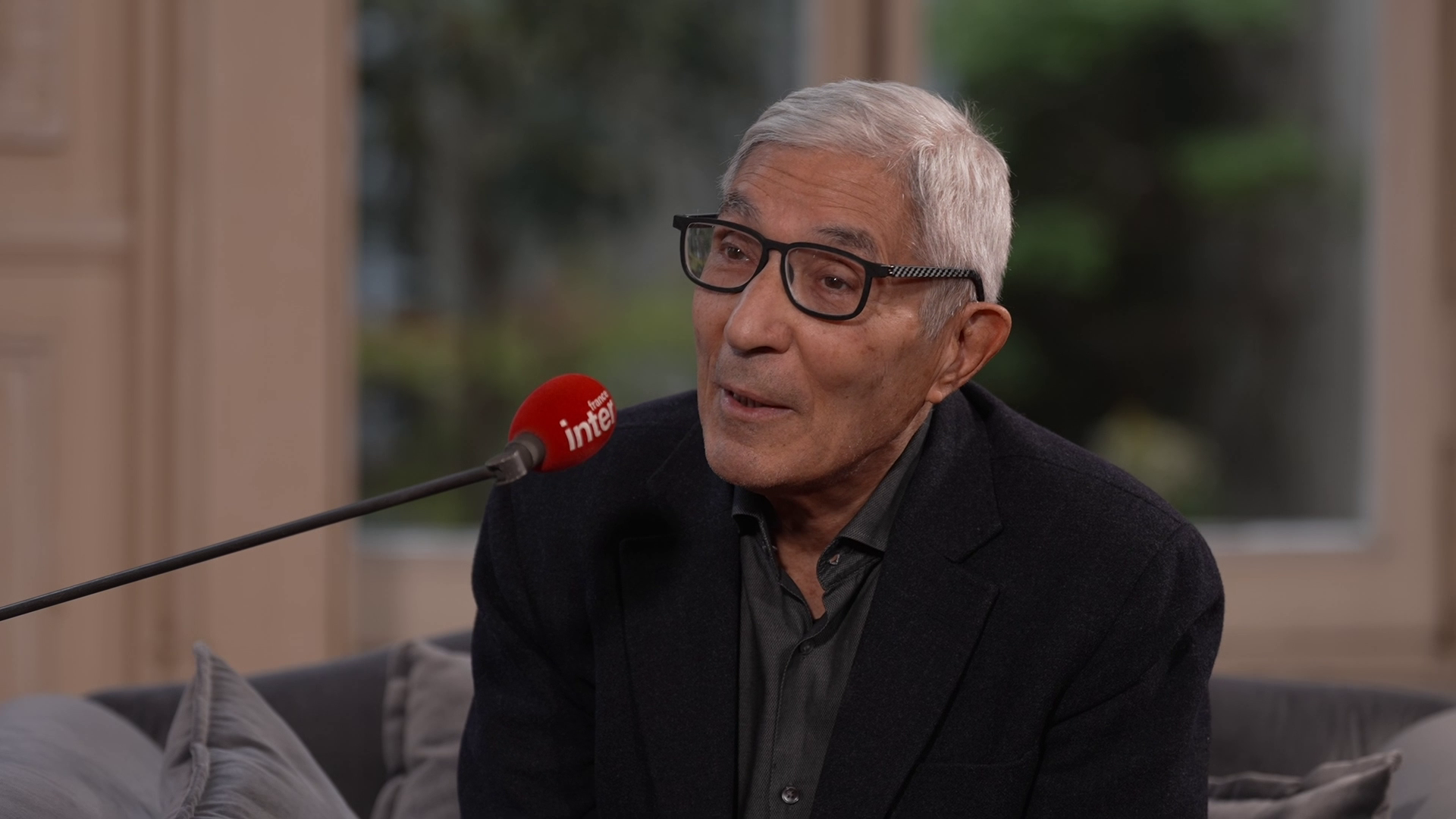
Sansal, 81, was speaking at the Journée du livre politique, held at the French National Assembly, where he took part in a panel discussion on “the political book as a source of engagement” alongside French lawyer Richard Malka.
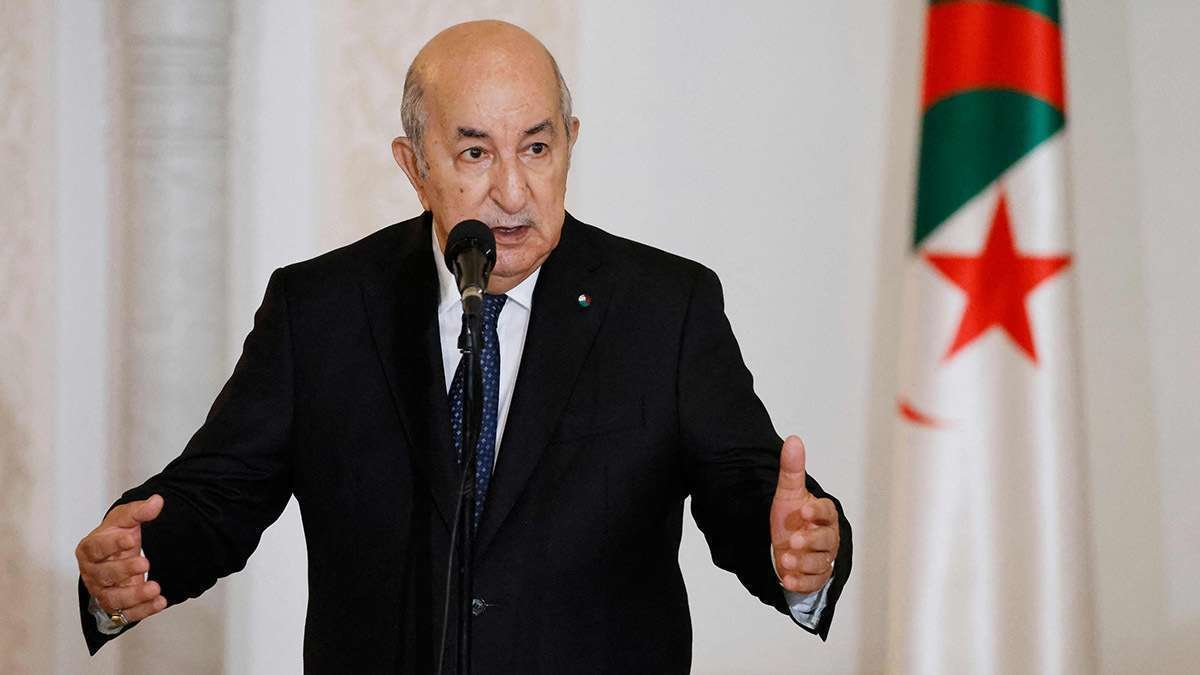
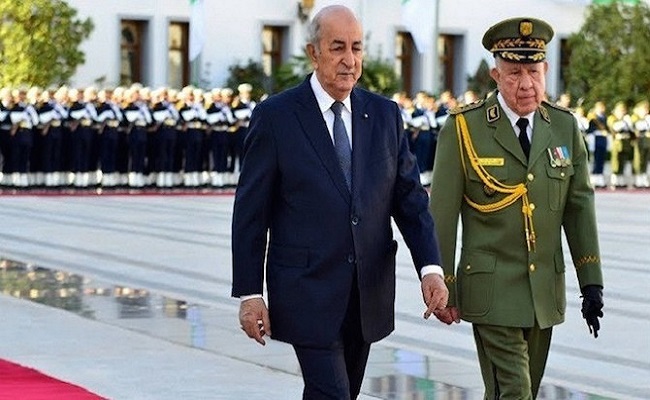
“I wrote to Mr Tebboune when I was in prison,” Sansal told the audience. “I told him that if he released me, I would take him to court. And I am going to sue Mr Tebboune, because it was he who condemned me,” he said, drawing applause from the room.
Sansal said he had been effectively “condemned to death” by the charges brought against him. “They piled everything on me including terrorism, espionage, attacks on state security,” he said.
The novelist was sentenced in Algeria to five years in prison and spent nearly a year behind bars for public statements and writings critical of the ruling system in his country of birth.
He was eventually released following diplomatic efforts, but has repeatedly said the manner of his release did not amount to justice.
Speaking to AFP, Sansal confirmed that legal proceedings were already under preparation. “The procedure has been launched,” he said, adding that his lawyer had prepared a file to take the case to international judicial bodies against President Tebboune.
He said he was “waiting for the right moment,” citing concern for other detainees, including French sports journalist Christophe Gleizes, who has been imprisoned in Algeria since May 2024 and sentenced to seven years for “apology of terrorism.”
“I will go all the way,” Sansal said, adding that he had not benefited from “a real trial, with defence lawyers and international observers.”
Sansal’s imprisonment followed a series of outspoken interventions in which he directly challenged Algeria’s official historical and political narratives. In particular, he had publicly raised the colonial nature of Algeria’s borders, arguing that they were largely inherited from French colonial demarcations rather than the product of an indigenous or consensual historical process.