Morocco is experiencing a steady uptick in arrivals from Germany, with Agadir and Essaouira standing out as the two Atlantic destinations most favored by German visitors this spring. According to data from the Tourism Observatory, German arrivals in Morocco rose by 29% in 2024, reaching 361,116 visitors — a trend that is continuing into 2026 as Morocco cements its position as Africa’s leading tourist destination with nearly 20 million arrivals recorded in 2025.
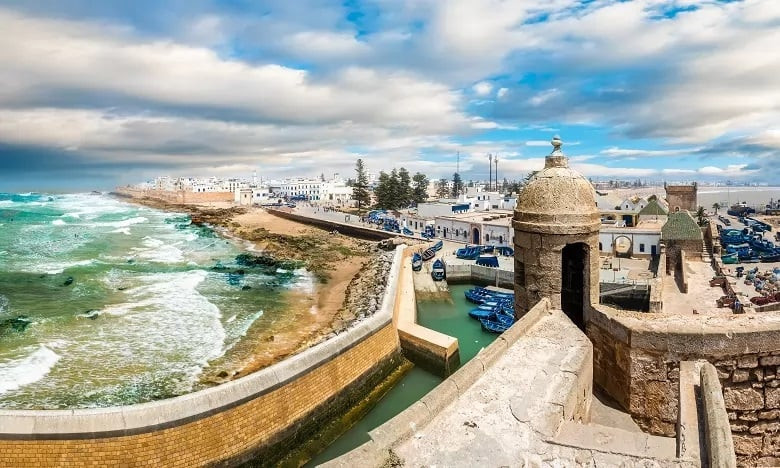
Essaouira has emerged as a particularly strong draw for the German market, ranking second on Skyscanner’s list of trending destinations for German travelers, with searches spiking by 724% compared to the previous year. The wind-swept Atlantic city appeals with its UNESCO-listed medina, surf-friendly waves, fresh seafood, and bohemian atmosphere — a combination that resonates with younger and experience-seeking German travelers increasingly looking beyond conventional package holiday destinations.
Agadir, Morocco’s flagship beach resort, continues to attract German visitors seeking a reliable sun-and-sea experience alongside access to the Anti-Atlas Mountains and surrounding natural landscapes. The Regional Tourism Council of Agadir Souss-Massa has set a target of 150,000 German visitors for 2025, up steadily from the post-pandemic lows, though still well below the 300,000-plus annual arrivals the city registered in the 1990s at the height of its popularity with German charter tourists.
Morocco’s national tourism office has worked to reposition the country in the German market, moving beyond a purely beach-focused pitch toward a multi-experience offer encompassing culture, adventure, gastronomy and eco-tourism. The country’s growing air connectivity — including direct routes to Agadir, Marrakech and Essaouira — has made it increasingly easy for German travelers to book independent trips without relying on tour operators.
The broader German market nonetheless presents untapped potential. The average German visitor to Morocco stays only three nights, compared to seven nights in Spain and six in Turkey. Bridging this gap requires a more competitive all-inclusive offer and enhanced resort-style infrastructure, areas where Morocco continues to invest as part of its Tourism Roadmap 2023-2026. With the 2030 FIFA World Cup co-hosted by Morocco on the horizon, interest from European markets, including Germany, is expected to grow further.