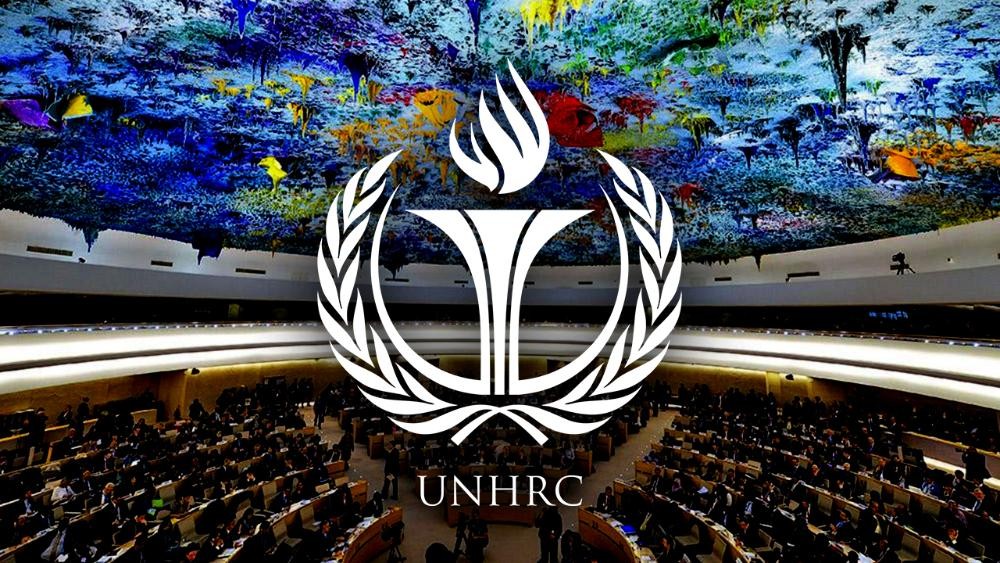
Morocco on Wednesday reiterated, during the ongoing 61st session of the United Nations Human Rights Council (HRC) in Geneva, its strongest condemnation of the abject attacks carried out by Iran against several Arab brotherly countries, namely Bahrain, Kuwait, Oman, Qatar, Saudi Arabia, the United Arab Emirates, and Jordan.
“This blatant aggression is a grave violation of the national sovereignty of these brotherly Arab countries, as well as an unacceptable threat to regional security and stability,” Morocco’s Ambassador and Permanent Representative to the United Nations Office in Geneva, Omar Zniber, said in a statement delivered on his behalf during an urgent debate on the issue.
He recalled in this regard that King Mohammed VI had expressed Morocco’s full solidarity in phone calls with the leaders of each of the affected countries, noting that these acts betray the genuine efforts of the brotherly Gulf countries to cooperate with the Iranian side to promote regional stability.
This aggression is also part of a “long-standing pattern of malignant activities aiming at destabilization,” including “Iran’s direct support to extremist and separatist groups across the region” as well as “direct threats to the territorial integrity of brotherly Arab States,” the diplomat said.
“Morocco condemns the targeting of civilian areas and infrastructure by Iran’s missile and drone attacks,” he added.
The Kingdom, he continued, “also condemns vigorously the attacks perpetrated by Iran against commercial shipping in the Strait of Hormuz and actively supports measures implemented by the International Maritime Organization to restore freedom of navigation in the region.”
The diplomat also welcomed the adoption of United Nations Security Council Resolution 2817 and expressed Morocco’s full support for the draft resolution tabled before the Human Rights Council on this matter.
The draft resolution, co-sponsored by Morocco, strongly condemns the “unprovoked” attacks carried out by Iran against several Gulf states and Jordan.
It expresses deep concern over strikes targeting civilians and critical infrastructure (energy, transport, water, and food), highlighting their severe consequences on human rights, particularly for vulnerable populations.
The draft resolution also underscores the regional and global repercussions of the military escalation, particularly disruptions to maritime trade in the Strait of Hormuz, affecting supply chains, food security, and living conditions worldwide.
It further reaffirms support for the sovereignty of the targeted states, recognizes their right to self-defense, and condemns any violation of freedom of navigation and attacks on energy infrastructure.