A 2-dirham overnight rise in diesel prices at the pump has jolted Moroccan consumers and reignited a long-standing debate about the Kingdom’s structural vulnerability to global energy shocks. Triggered by the third week of Middle East hostilities and their impact on international oil markets, the price surge has exposed once again the fragile foundations of Morocco’s energy sovereignty — and arrived at a politically charged moment, just six months ahead of parliamentary elections.
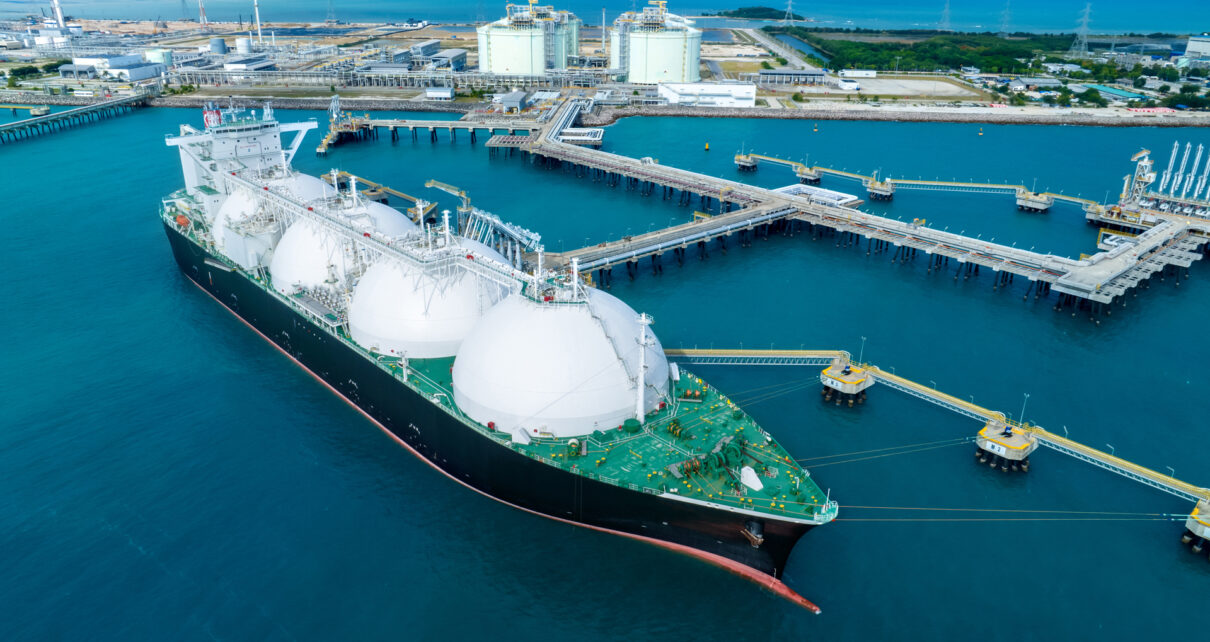
The numbers tell a sobering story. Morocco imports approximately 110 billion dirhams worth of hydrocarbons and refined products annually — a figure that peaked at 153 billion dirhams in 2022 during the Russia-Ukraine crisis. Since the liberalization of the fuel market and the closure of the Samir refinery in 2015, the Kingdom has effectively outsourced its entire hydrocarbon supply to a network of private distributors that has grown from 19 to 35 accredited operators. Critics argue that the windfall margins accumulated during periods of lower prices should have served as a buffer against the current price spike — but were not.
The strategic reserve situation is particularly alarming. Regulations require distributors to maintain 60 days of petroleum reserves at all times. In practice, Morocco operates on an average of just 20 days — barely enough to absorb minor disruptions, let alone a sustained regional crisis. In February, a few days of bad weather disrupting the ports of Mohammedia and Jorf Lasfar were sufficient to trigger rationing at fuel stations across the country. The contrast with international standards is stark: France maintains 108 days of reserves, Japan 168, China the equivalent of 115 days of maritime imports, and all 32 International Energy Agency members are required to hold a minimum of 90 days of emergency stocks.
The fiscal dimension compounds the paradox. Two taxes apply to every liter sold — a fixed volume-based consumption tax and a 10% VAT that rises with prices. When oil prices surge, the Treasury automatically benefits from higher VAT revenue, making the state the unintentional first winner of the very crisis hitting consumers hardest. Economists estimate that closing the strategic reserve gap would require an upfront investment of around 20 billion dirhams — substantial, but modest compared to the 40-billion-dirham spike in the import bill recorded in a single crisis year.