Senegal’s federation and government clung to outrage after the African football federation stripped it of a controversial African Cup of Nations title. Instead of recognizing their own violations of CAF regulations- they themselves violated- Senegalese government and football authorities indulged in conspiracy theories and unfounded accusations.
CAF’s Appeal Board on Tuesday confirmed that Senegal had forfeited the Africa Cup of Nations final by leaving the pitch for more than ten minutes during stoppage time in Rabat on January 18, triggering sanctions under Articles 82 and 84 of the AFCON regulations.
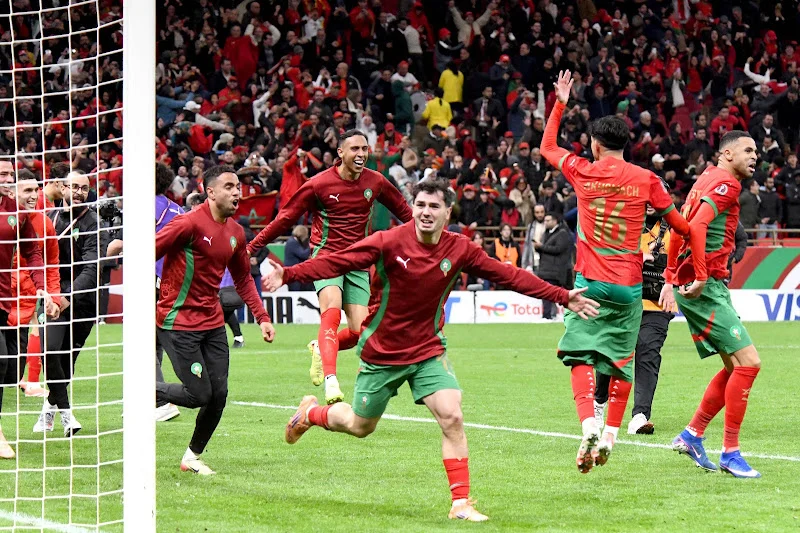
The ruling formally awarded a 3-0 victory to Morocco, overturning Senegal’s extra‑time win.
The Senegalese Football Federation (FSF) responded with empty emotional language, calling the ruling “an unfair, unprecedented and unacceptable decision which brings discredit to African football.” Yet, It provided no proof at all, save expressions expressing frustration and outrage.
Indeed, the Senegalese government statement was just as “unprecedented” as the act of walking off the pitch amid provocations and violence by Senegalese fans.
The Senegalese government escalated the rhetoric, branding the verdict “grossly unlawful and profoundly unjust” and accusing CAF of a “manifestly erroneous interpretation of the regulations.”
The accusatory tone went further as to call for an investigation into corruption within CAF. Though, when the Senegalese president received the Lions of the Teranga to celebrate an undeserved victory, CAF was perceived in Dakar back then as an angel. This by itself exposes the self-serving nature of the accusations.
The walk‑off, condemned privately by senior FIFA figures, was viewed as a direct violation of football ethics and a destabilizing act in a continental final. This fact was overlooked by Senegalese authorities who desperately attempt to hide their initial error using conspiracy theories and victimization rhetoric.
CAF said Morocco’s appeal was “admissible in form” and ruled on regulatory grounds alone.
In contrast, the Royal Moroccan Football Federation (FRMF) welcomed the ruling in a press release issued from Rabat on Wednesday. The FRMF said it “welcomes a ruling that upholds respect for rules that are necessary for the proper functioning of international competition.”
The federation noted that from the moment the final was interrupted, its position was consistent in ensuring “the application of regulations governing the competition,” not disputing Senegal’s on‑field performance.
The FRMF added that CAF had now confirmed “the rules, known to all and applicable to all, had not been respected,” and emphasized that Morocco had complied fully with dispute‑resolution procedures by submitting arguments and participating in the required hearings. The decision, it said, strengthens “consistency and credibility” in African and global competitions.
With Senegal vowing to appeal to the Court of Arbitration for Sport, the episode has underscored a wider principle at the heart of football governance. The rules are binding, and no team stands above them.