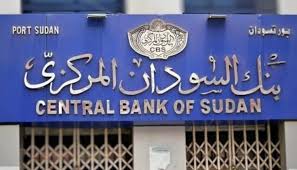
The Central Bank of Sudan announced Monday a significant increase in lending limits for micro and small-scale finance, as authorities seek to cushion the effects of soaring inflation and stimulate economic recovery.
The policy shift, outlined in a Circular, forms part of the bank’s broader 2026 strategy aimed at deepening financial inclusion and supporting post-conflict economic stabilization.
The revized framework introduces higher financing thresholds across key sectors. Agricultural activities, including plant and animal production, will now receive between 14 million and 16 million Sudanese pounds, while alternative energy and green projects are allocated between 13 million and 15 million pounds. The industrial and handicraft sectors will access funding ranging from 10 million to 12 million pounds, reflecting a calibrated effort to revitalise productive capacity.
In a strategic pivot towards recovery and export growth, the central bank has also created new financing categories. Animal value chains will benefit from a ceiling of 25 million pounds, while agricultural value chains are capped at 22 million pounds. Additionally, a dedicated “shelter rehabilitation” category, with a limit of 12 million pounds, has been introduced to support rebuilding efforts in war-affected communities.
Small-scale financing has seen a notable upward revision, with the maximum limit now set at 30 million Sudanese pounds. The move comes as microfinance—mandated to account for 12 per cent of banks’ total lending—remains central to Sudan’s poverty reduction agenda, despite being weakened by the rapid depreciation of the national currency.
While the higher ceilings are expected to unlock new opportunities, structural challenges persist. Analysts caution that strict collateral requirements continue to exclude many low-income borrowers. In response, the central bank indicated it is exploring alternative guarantee mechanisms, including collective insurance schemes and the use of movable assets, to broaden access and ensure the policy delivers meaningful impact.