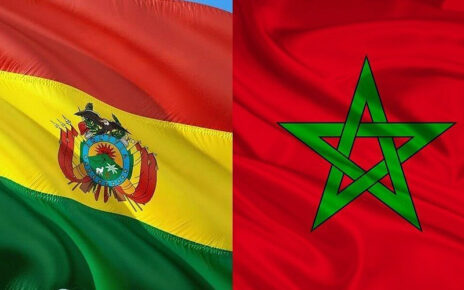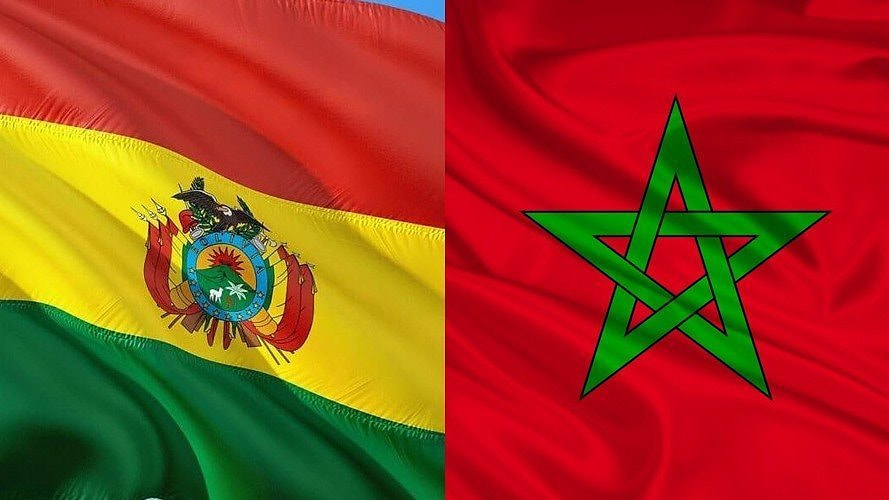
Bolivia has suspended its recognition of the self-proclaimed and Algeria-sponsored SADR separatist entity and restored diplomatic relations with Morocco, positioning its policy with the UN-led process that emphasizes a “realistic, pragmatic and lasting” solution to the Sahara dispute.
La Paz announced the shift on Feb. 24 after a call between Foreign Minister Fernando Aramayo and his Moroccan counterpart Nasser Bourita, with plans to reopen embassies and pursue cooperation in trade, agriculture, food security and technical fields.
The move places Bolivia within a broader diplomatic trend that gathered momentum after the UN Security Council adopted on October 31, 2025 Resolution 2797. The resolution describes Morocco’s autonomy proposal as the most feasible basis for a settlement and recentering talks away from the unfeasible referendum option defended by Algeria and its Polisario proxies.
Analysts note that the Council’s language consolidated years of incremental shifts and effectively elevated autonomy under Moroccan sovereignty as the framework for future negotiations, a development that many capitals have cited when recalibrating positions.
US support, reaffirmed in 2025, helped drive the realignment, while Spain and France also moved to back the autonomy plan, adding weight from key Western partners to the emerging consensus.
In parallel, more than 29 countries have opened consulates in Laayoune and Dakhla, a signal of growing acceptance of Morocco’s administration of the territory and a trend referenced in coverage of Bolivia’s decision.
Pro-autonomy momentum has left Algeria and the Polisario Front increasingly constrained internationally.
Bolivia framed its step as ending official contacts with an entity based in Algeria and which is not recognized by the United Nations, while committing to support the Secretary-General’s envoy and the UN process toward a mutually acceptable outcome.