International media outlets have widely praised Morocco for its proactive and highly coordinated management of the February 2026 floods, emphasizing that lives could have been lost had authorities not acted swiftly and with exceptional preparedness.
Reports from European and international news organizations underscored that Morocco’s rapid mobilization, army deployment, early planning, and large-scale evacuations played a decisive role in avoiding casualties during one of the most severe weather events to hit northern Morocco.
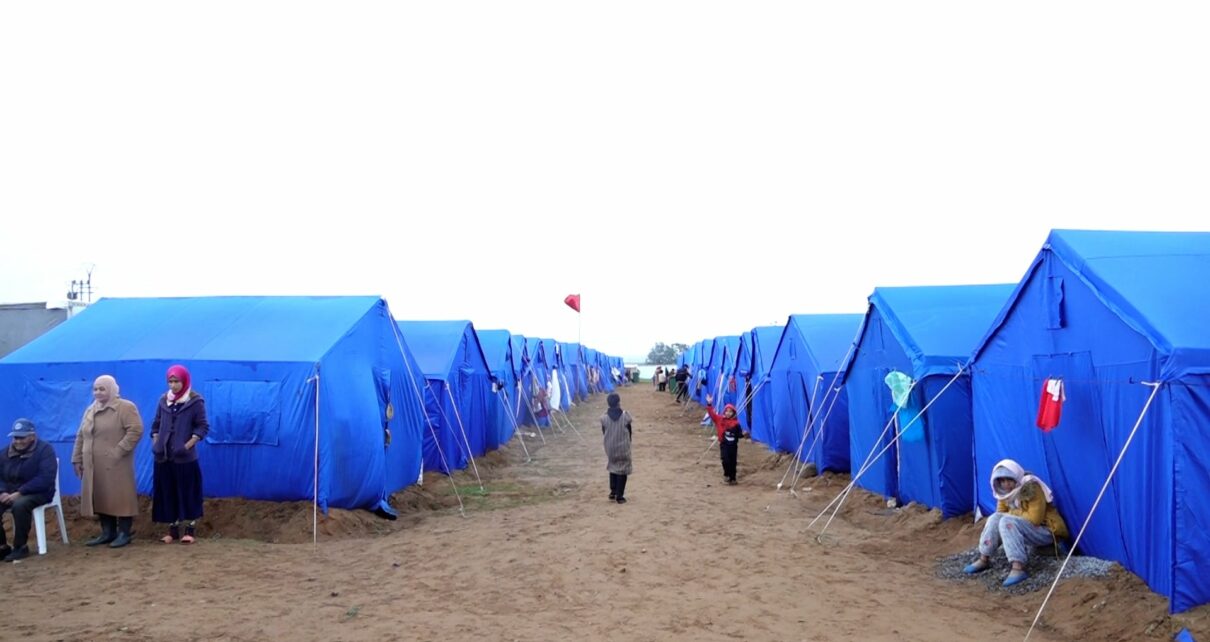
CNN, Le Monde, Reuters, AP, New York Times and The Guardian- to mention but a few- reported that Morocco managed to evacuate over 150,000 in a record period, offering shelter, food and medical treatment as well as care for the pregnant and the elderly far away from the flood-prone areas.
Morocco succeeded in containing the impacts of the floods thanks to an anticipatory approach grounded in early forecasting, disciplined field coordination, and technically bold decisions executed at critical moments, the media highlighted.
These orderly evacuations were widely described as one of the largest and most effective evacuations in the region, carried out with discipline and organizational clarity.
International outlets also pointed to Morocco’s effective use of early-warning systems, which enabled authorities to activate emergency plans days before the arrival of the storm.
Reports detailed how the country’s civil protection units, local authorities, and the Royal Armed Forces were deployed in advance to the most vulnerable provinces, ensuring rapid intervention once water levels began rising. These measures were repeatedly praised as evidence of a well-functioning national risk-management system.
Coverage from European media, including Spanish and Italian, further highlighted the efficiency of Morocco’s field operations. Journalists described how rescue teams and the Royal Moroccan Army reached isolated villages using helicopters, boats, and jet skis, evacuating families trapped by rising waters and providing essential support in temporary shelters. The responsiveness of these units was noted as a key factor in limiting the human cost of the floods.
In their analysis, these international outlets also drew comparisons with responses in neighboring countries experiencing similar storms at the same time. In Portugal, for instance, the Moroccan model of pre-emptive action became the subject of parliamentary debate, with lawmakers criticizing their own authorities’ delayed handling of the crisis.
Media coverage described Morocco’s approach as a point of contrast that spotlighted the weaknesses of the Portuguese response and the strengths of Morocco’s emergency governance.
Reports also commended Morocco’s technical decision-making during the floods, particularly the controlled release of water from the Oued Makhazine Dam, which had reached critical capacity. These controlled discharges were carried out to prevent structural failure and were credited with averting more catastrophic outcomes downstream. International outlets noted that such decisions required precise timing and coordination, and they praised Morocco’s authorities for managing them effectively.