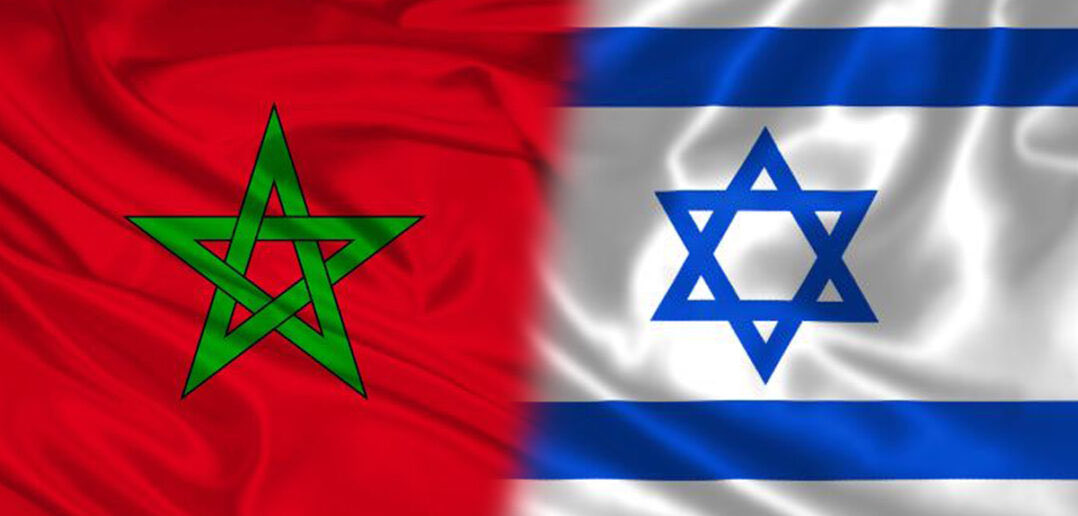
The third meeting of the Israel-Morocco Joint Military Committee (JMC), held lately in Tel Aviv, was crowned with the signing of an action plan for 2026.
The announcement was made by spokesperson of Israeli Defense Forces (IDF). The program included in-depth professional meetings and visits to Israeli Defense Forces units, defense industries, and other key security organizations.
Talks focused on long-term military capacity building, industrial projects, joint ventures, technology transfers, strategic planning, technological innovation, operational readiness and joint training.
A strategic panel at the heart of the meeting addressed ways to strengthen military capabilities, focusing on force development, long term planning and shared cooperation objectives.
The 2026 action plan aims to formalize these exchanges through regular mechanisms for coordination, training and technical cooperation.
Israel is Morocco’s 3rd military supplier with a series of military acquisitions: 2 Ofek 13 satellites, Barak MX air & missile defense system, PULS rocket launcher system, Heron drones, ATMOS howitzers, SPYDER air defense system, LORA tactical ballistic missile…
Israel is one of Morocco’s military partners as it is involved in several industrial joint ventures and technology transfers in SpyX drone manufacturing and other drones, surveillance systems, etc.
Beyond its operational scope, the new plan carries significant geopolitical implications for Morocco. It forms part of the kingdom’s broader effort to diversify its military partnerships as it continues modernizing the Royal Armed Forces, upgrading capabilities and adapting defense doctrine to evolving threats.
By cooperating with partners with advanced expertise, including in military technology, intelligence and cyber defense, Rabat seeks to enhance its strategic autonomy and deterrence posture in an unstable environment marked by a surge in cyberattacks, instability in Algeria and the Sahel and terrorism threats.
The approach reflects Morocco’s positioning as a stability focused actor pursuing pragmatic security diplomacy while preserving strategic independence.
Military cooperation between Morocco and Israel has strengthened steadily in recent years, extending beyond diplomacy to concrete acquisitions. In 2025, Morocco selected Israeli company Elbit Systems to supply 36 Atmos 2000 self propelled artillery systems, mounted on Tatra trucks. The system is valued for its mobility, rapid deployment and operational flexibility.
This procurement follows earlier deals. In 2022, Morocco signed a contract with Israel Aerospace Industries (IAI) for the Barak MX air defence and missile defence system, finalized after an official Israeli defense visit to Rabat and the signing of a bilateral defence cooperation agreement.
Much of the equipment has since been delivered and integrated into Morocco’s defense capabilities. The kingdom has also acquired Heron type surveillance drones, bolstering its intelligence and territorial monitoring capacities.
The upward trajectory continued in 2024 with Morocco’s order of two Ofek 13 satellites from IAI, in a contract estimated at one billion dollars. Delivery is expected within five years, making it the largest defense agreement between the two countries since diplomatic ties were restored. Successive acquisitions reflect a strategic shift centered on performance, cost effectiveness and industrial responsiveness.
Morocco is also pushing beyond equipment purchases to build domestic defense industry capacity. Israeli drone manufacturer BlueBird Aero Systems has reaffirmed plans to establish a SPY X drone production facility in Morocco. A Moroccan technical team recently completed advanced training at BlueBird’s installations as part of a structured technology transfer program combining knowledge exchange and practical instruction. The initiative aims to launch Morocco’s first local SPY X production line. BlueBird CEO Ronen Nadir stated in April 2024 that infrastructure for local manufacturing was already in place, with operational launch expected in the near future.
Morocco and Israel resumed diplomatic ties in late 2020 under US-brokered deal, Abraham Accords, seeking peace in the Middle East and around the world based on mutual understanding and coexistence, as well as respect for human dignity and freedom, including religious freedom.