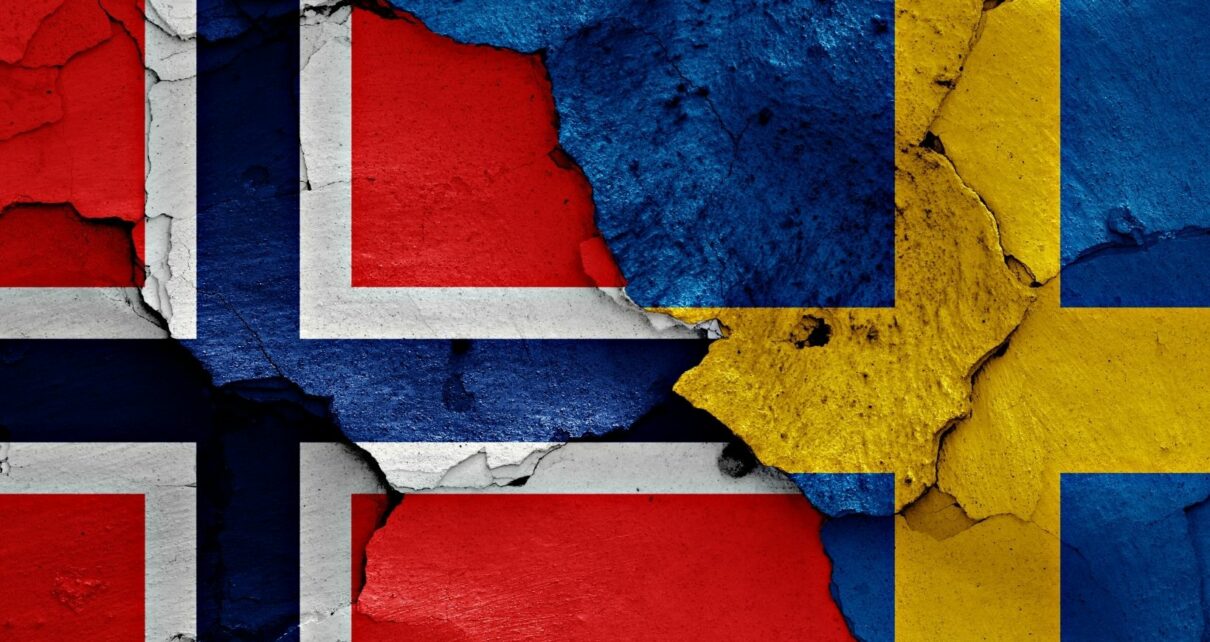
Sweden and Norway have taken sharply different paths on aid to Africa, with Stockholm cutting aid while Oslo increases allocations for humanitarian support.
On Dec. 8, Sweden announced it will phase out bilateral development assistance to five countries, including four in Africa: Zimbabwe, Tanzania, Mozambique and Liberia. The goal was to free up about 10 billion Swedish crowns ($1.1 billion) in 2026 for increased support to Ukraine.
The move will also lead to the closure of Swedish embassies in Liberia and Zimbabwe, signaling a significant diplomatic pullback.
“We are at a crucial point in Europe’s history. To increase support for Ukraine, we must make difficult priority decisions,” said Benjamin Dousa, Sweden’s minister for international cooperation and foreign trade.
Sweden stressed that humanitarian aid will continue, even as long-term development partnerships are scaled back.
In contrast, Norway announced Dec. 2 that it will raise its contribution to the United Nations Central Emergency Response Fund (CERF) to 470 million Norwegian crowns ($47 million) for 2025 and 2026.
The flexible fund targets “forgotten crises” and conflicts and disasters that receive little media attention and funding.
“The CERF is one of the most important mechanisms we have to deliver life-saving assistance quickly to those who need it most,” said Åsmund Aukrust, Norway’s development minister.
In 2025, top CERF recipients included Sudan, the Democratic Republic of Congo and Chad, highlighting Africa’s prominence in humanitarian priorities.
The contrasting decisions reflect two strategic approaches: Sweden’s geopolitical pivot toward Ukraine at the expense of African development ties, and Norway’s emphasis on global humanitarian response.
For African nations losing Swedish support, including Liberia and Zimbabwe, the cuts mean reduced funding and diminished diplomatic presence, while countries in crisis such as Sudan and the DRC stand to benefit from Norway’s increased humanitarian aid.