Morocco is celebrating Public Service Ombudsman Day on Dec. 9, after King Mohammed VI gave approval for the celebration. The date carries symbolic and human-rights significance as it marks the establishment of the Diwan Al Madhalim in 2001, and holds a special place in the institution’s memory, a press release from the Kingdom’s Ombudsman said.
The celebration represents a further milestone in an ongoing process to establish a culture of public service mediation since the creation of Diwan Al Madhalim, with the Sovereign’s willingness to develop its powers and responsibilities to the point of constitutionalizing the ombudsman institution as one of the independent bodies for the protection of human rights and a national governance institution contributing to enshrining the rule of law and promoting the values of moralization and transparency in the management of public service.
The Ombudsman Office marked the day of administrative mediation this Tuesday, using the occasion to call for deeper cooperation between public institutions and citizens and to unveil new digital tools aimed at speeding up complaint handling.
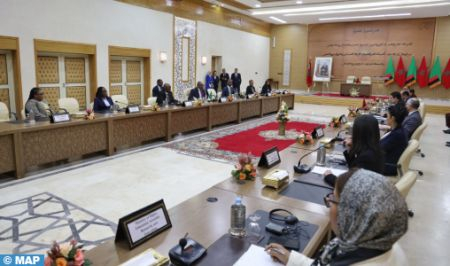
Ombudsman Hassan Tarek, who opened the annual coordination meeting in Rabat, described the gathering as an established institutional tradition that strengthens consultation, coordination and follow-up between the Ombudsman and public administrations.
Tarek said this year’s meeting carries added significance because it is the first to be held after King Mohammed VI approved the creation of a National Day of Administrative Mediation, pointing out that the royal initiative is both an honor and a responsibility for the institution, requiring from its staff to continue promoting fairness, justice and improved public service delivery.
The Ombudsman noted that the event is the eighth such annual meeting since the office began hosting them, following two sessions under the late Abdelaziz Benzakour and five under former Ombudsman Mohamed Benalilou. He expressed hope that the gathering will become a permanent fixture supporting “modern, effective and productive institutional mediation.”
Tarek highlighted the symbolic weight of this year’s observance, pointing to the 24th anniversary of the royal speech that launched the Diwan Al Madhalim. That moment, he said, transformed the Ombudsman’s mission from a complaints desk to a consultative authority and a key part of Morocco’s human rights architecture.
To mark 25 years of the institution’s evolution, he announced that 2026 will be designated a “Year of Institutional Mediation” featuring outreach and training programs.
Tarek also announced the launch of “Moukhatab,” a new digital platform developed by the Ombudsman’s technical teams. The tool is designed to streamline institutional communication by enabling real-time exchange of grievance files between the Ombudsman and public administrations. It aims to improve processing speed, enhance information security and reduce administrative costs and delays.
The meeting also surveyed a recent circular issued by the head of government urging all public bodies to strengthen cooperation with the Ombudsman. Tarek said the directive underscores the central role of permanent interlocutors within ministries and agencies, who act as strategic partners in enhancing governance, ensuring citizens’ access to information and simplifying administrative procedures.
The National Public Service Ombudsman Day will be an annual opportunity to highlight the virtues of institutional mediation and a national moment to engage in broad public reflection on best practices and comparative expertise in the fields of mediation.
It will also provide an opportunity to recognize the efforts made and develop proposals and recommendations related to the project to consolidate the foundations of citizen-centered administration, based on justice and equity.