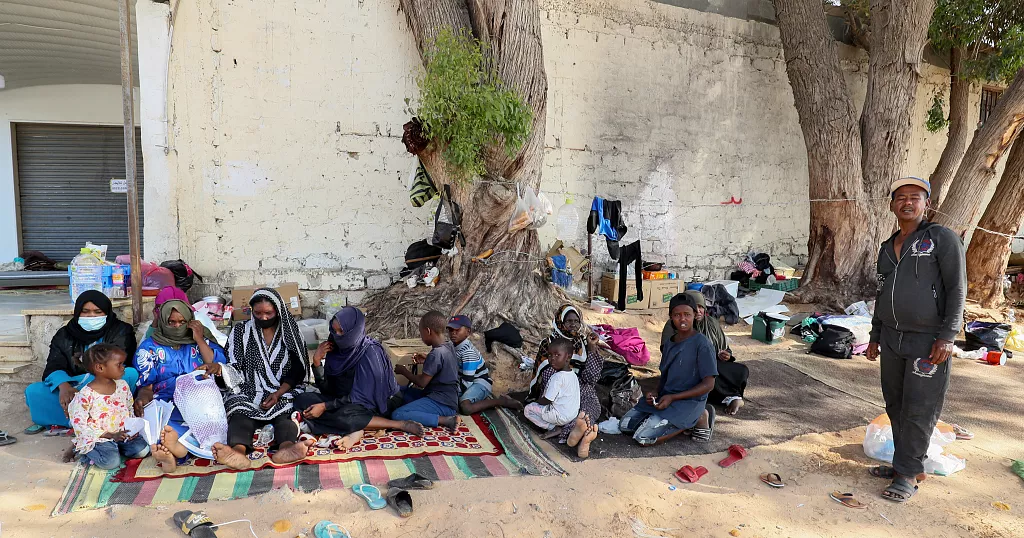
Libya has announced plans to accelerate the return of irregular migrants from Sub-Saharan Africa to their home countries, while pledging that Sudanese refugees fleeing conflict will be granted access to public services on the same footing as Libyan citizens.
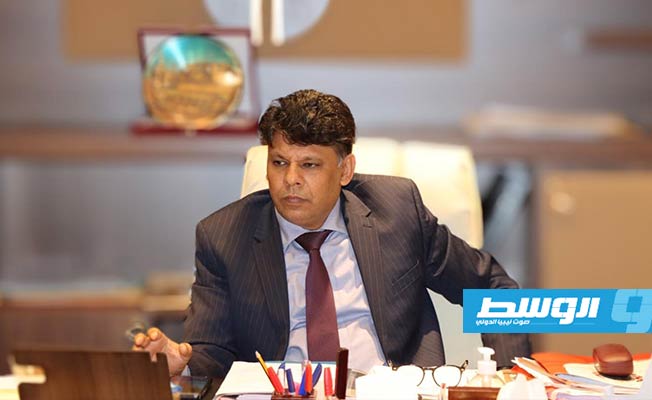
The policy shift was outlined on Tuesday, December 2, by Interior Minister Imad Trabelsi during a briefing in Tripoli attended by several foreign diplomats. Situated roughly 300 km from Italy, Libya remains a major transit point for tens of thousands of migrants attempting the perilous sea journey to Europe each year.
Trabelsi appealed for stronger backing from the European Union, the African Union and Arab partners, arguing that Libya’s responsibilities far outweigh the assistance it has received to date. EU figures indicate that Brussels spent around 465 million euros on migration-related initiatives in Libya between 2015 and 2021, with an additional 65 million euros earmarked for border management and protection through 2027.
Trabelsi said an estimated three million irregular migrants have lived in Libya over the past decade and a half, many arriving with their families, which he said raises concerns about long-term settlement. He reiterated that Libya would not accept migrants intercepted at sea being brought ashore for long-term accommodation.
At the same event, EU ambassador Nicola Orlando stressed that Europe does not intend to settle migrants in Libya and urged expanded voluntary returns to countries of origin. Trabelsi confirmed that a national repatriation program launched in October is targeting the return of thousands of migrants this month, with scheduled flights prioritizing women, children and the elderly — including departures to Chad, Somalia and Mali.
The International Organization for Migration reports that about 25,000 migrants have been intercepted and sent back to Libya so far this year, among them over 2,000 women and nearly 1,000 children.
Turning to the influx of Sudanese nationals who have fled violence since the outbreak of war in April 2023, Trabelsi said up to 700,000 refugees have entered Libya. Under new government instructions, they will be treated as Libyans and granted access to healthcare, education and other essential services.