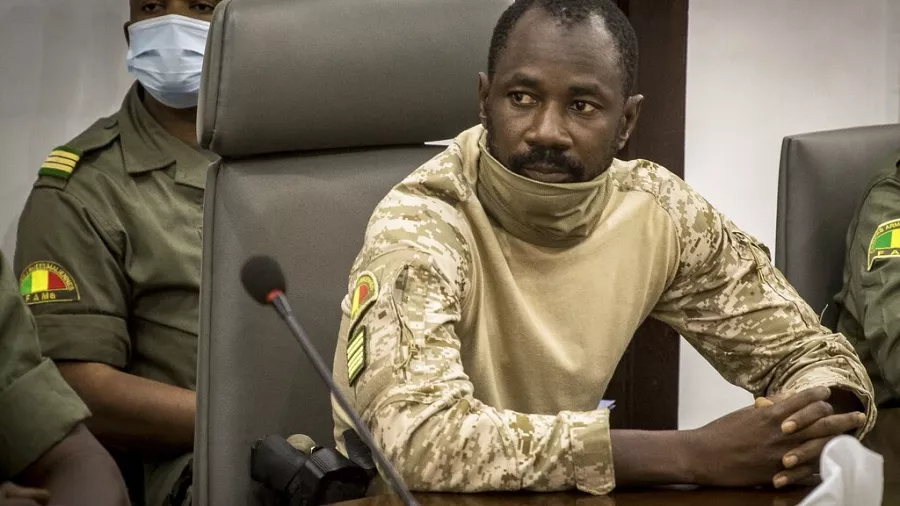
The Sahel region under the Alliance of Sahel States (Burkina Faso, Mali, Niger) is undergoing a profound shift toward multi-alignment, challenging traditional European influence, the European Union Institute for Security Studies (EUISS) said, recommending Europeans to adapt to this new reality or risk losing influence.
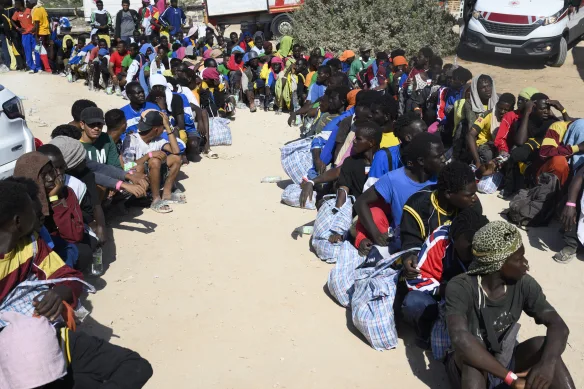
The Sahel now averages around 10,500 terrorist-related deaths per year, a sevenfold increase since 2019, while transnational crime networks funnel drugs, migrants, and weapons toward Europe, the study recalls.
Rich in strategic resources like oil, gold, and uranium, the region has become a global battleground for influence.
EUISS highlights Moscow’s deepening influence via the Wagner Group and Africa Corps, offering military training, logistical support, and strategic resource access.
In Mali, Russia’s “Africa Corps” now runs operational control over border routes and internal security operations, effectively sidelining US and EU presence.
Morocco has emerged as a stabilizing force in the Sahel. Through its “Atlantic Africa Initiative,” it strengthens infrastructure and trade links, providing Sahelian landlocked states with access to ports like Tanger Med and Dakhla.
Turkey’s engagement has surged through arms and infrastructure deals. Ankara has sold Bayraktar drones, conducted defence agreements, and bolstered diplomatic relations with all AES members. The Atlantic Council notes that Turkey may serve as a valuable intermediary for the West due to its credibility with military-led governments.
In this context, the EUISS points to intensified global competition, with China expanding across mining and infrastructure via the Belt and Road, while the US quietly retreats from security roles. Meanwhile, US-China rivalry extends into economic and technological realms across Africa, although direct Sahel involvement from both superpowers is largely indirect.
The Think Tank advises Brussels to embrace pragmatism by focusing on cooperation with the Sahel states on justice and education reform as well as acting on organized crime.
It also recommends a flexible foreign policy combining bilateral engagement with Global Gateway initiatives.
“The EU should therefore consider selectively engaging with these external players,” the Think Tank said.