Moroccan Prime Minister Aziz Akhannouch said public investment allocations have grown by nearly 87% between 2020 and 2025, with projections to reach 380 billion dirhams next year.
Speaking to members of the Upper House, Akhannouch said this increase is aimed at strengthening social integration and improving equity indicators across the country.
Preschool enrollment has reached 83%, primary education 100%, and lower secondary 80%, alongside near-universal electrification nationwide, he said.
Akhannouch called for a comprehensive, data-driven approach to implementing the royal roadmap for reducing inequalities, emphasizing targeted interventions, program alignment, and updated territorial data for decision-making.
He urged a transition from short-term fixes to a transformational vision that fosters lasting development, strengthens vulnerable regions, and ensures equitable living conditions.
Special attention should be given to mountain areas, oases, and rural zones, which require tailored strategies based on geography, economic potential, and climate conditions, he said.
The government has launched a major overhaul of healthcare services, including the modernization of 1,400 primary care centers by year-end, two-thirds of which are in rural and remote areas. Plans also include expanding hospital networks, establishing university hospitals across all regions, and building 12 blood transfusion centers.
In education, Akhannouch outlined reforms aimed at improving public schools and ensuring equitable access, citing initiatives, such as expanding early childhood programs, increasing social support for students, benefiting 217,000 boarding students and over 80,000 through school canteens, and providing direct aid to 3.2 million children this academic year.
The flagship “Schools of Excellence” program now covers 4,626 primary schools and 786 middle schools, up by 2,000 institutions compared to last year, he said.
On the economic front, regional investment activity is experiencing a “qualitative leap,” with targeted support for micro, small, and medium-sized enterprises, which make up over 90% of Morocco’s business fabric, through financing covering up to 30% of approved project costs, he said.
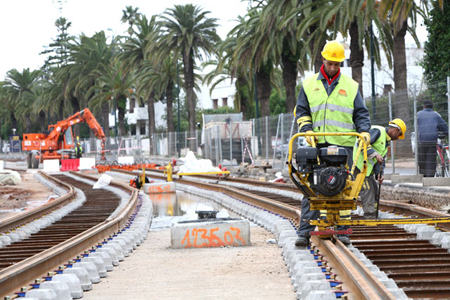
In terms of infrastructure, Morocco built and maintained, between 2016 and 2023, 26,509 km of rural roads and constructed 223 bridges, he said.
Water supply improvements include 32,419 individual and mixed connections, 725 potable water systems, and 1,096 km of network extensions, raising access from 710 municipalities in 2016 to 859 in 2023, he said.