French President Emmanuel Macron has formally acknowledged the “repressive violence” carried out by French colonial forces in Cameroon during and after the country’s struggle for independence.
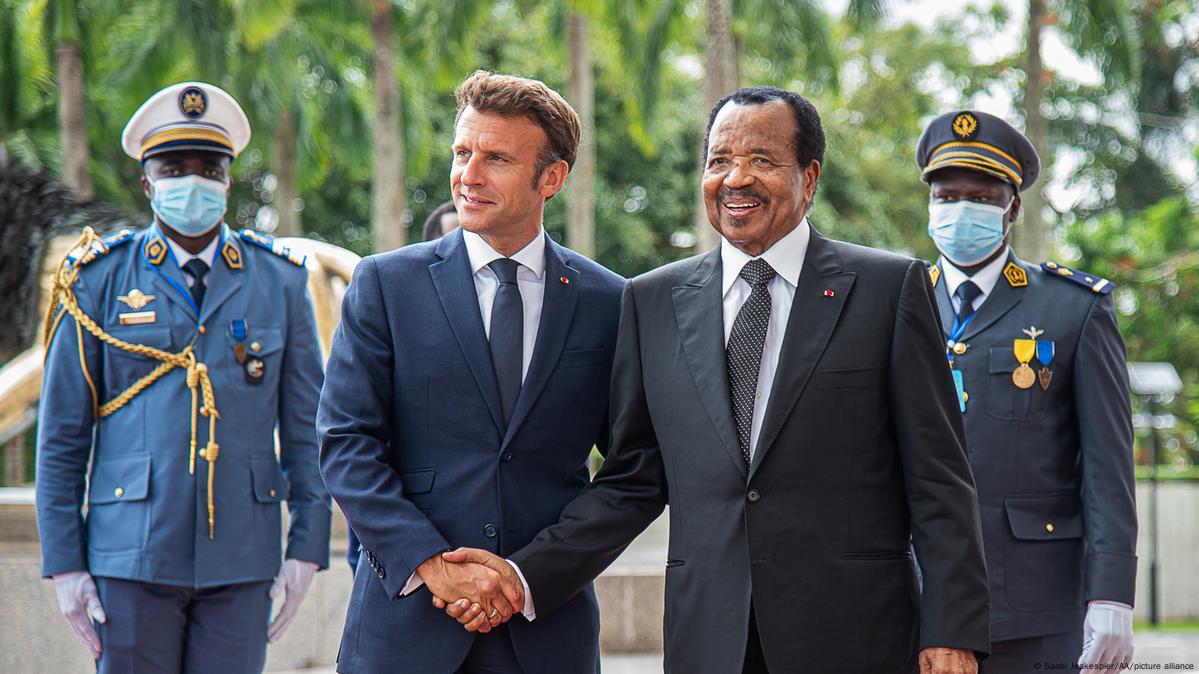
The admission follows the release of a damning joint historical report by French and Cameroonian historians. In a letter sent to Cameroonian President Paul Biya, Macron recognized that France’s military operations between 1945 and 1971 led to the deaths of tens of thousands of Cameroonians, including nationalist leaders like Ruben Um Nyobe and Paul Momo. The report revealed that France employed brutal tactics — including mass killings, forced displacement, internment camps, and militia-backed crackdowns — to suppress Cameroon’s independence movement.
“There was a war in Cameroon, during which the colonial authorities and the French army carried out repressive violence of several kinds that continued after 1960,” Macron stated. “It is up to me today to assume the role and responsibility of France in these events.” The letter stops short of a formal apology or any mention of reparations, sparking criticism that Macron’s efforts fall short of genuine accountability.
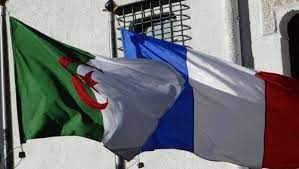
The acknowledgment comes amid growing scrutiny of France’s colonial legacy across Africa, with similar admissions made regarding its roles in Algeria and the Rwandan genocide. As African nations reassess France’s contemporary influence, Macron’s symbolic gestures may mark progress — but for many, they remain insufficient steps toward justice.