The Casablanca-Settat region is implementing approximately 30 desalination stations as part of comprehensive measures addressing water stress and declining rainfalls in recent years, with 17 of 28 planned modular seawater desalination units already operational.
Regional Council President Abdellatif Maâzouz confirmed the 400-million-dirham investment during Monday visits to facilities in Berrechid and Settat. The state contributed 272 million dirhams while the region provided 128 million dirhams for these projects aimed at securing drinking water supplies.
“These projects significantly impact drinking water supply for populations,” Maâzouz stated, emphasizing the need for rigorous daily monitoring of water resources and collective awareness regarding challenges ahead. He urged citizens to contribute through conservation efforts, avoiding water waste.
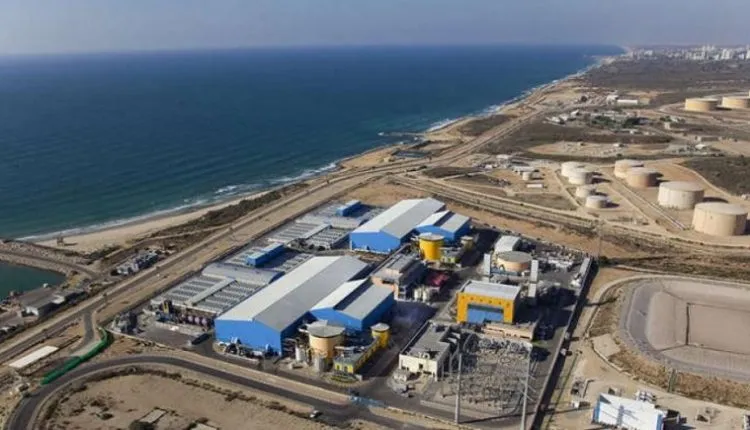
The initiative forms part of an integrated approach complementing structural projects including the water highway linking the Sebou basin to Bouregreg, the Jorf Lasfar desalination plant, and the forthcoming major Casablanca desalination facility. The latter, with 200 million cubic meters annual capacity, will cover approximately 80% of regional water needs upon completion.
The Regional Multi-Service Company (SRM) Casablanca-Settat oversees this innovative project, ensuring regional drinking water security. Station capacities range from 3 liters per second to over 30 liters per second for larger units.
The modular stations employ reverse osmosis technology, producing high-quality treated water through an ecological solution. Interior Ministry financing supports these efforts combating water stress, enabling exploitation of treated groundwater for drinking supplies while meeting growing resource demands.
This strategic infrastructure development reflects Morocco’s proactive approach to water security challenges, combining technological innovation with regional investment to ensure sustainable water access for the Casablanca-Settat population amid changing climate conditions and increasing urbanization pressures.