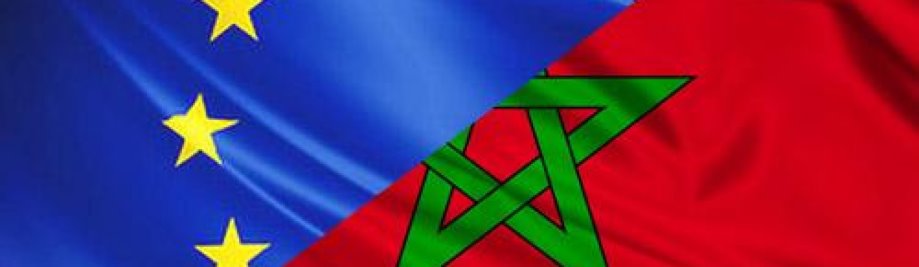
Morocco is strengthening its position as a crucial Mediterranean partner for Europe through a multifaceted alliance spanning security, energy, and economic cooperation, according to a recent presentation at the 2025 European People’s Party (EPP) Congress held in Valencia.
This partnership encompasses several strategic areas, said Secretary General of the Moroccan Istiqlal Party Nizar Baraka, highlighting cooperation on irregular migration management, economic development, and renewable energy projects. He laid a particular emphasis on Europe’s support for Morocco’s Autonomy Initiative for the Sahara as a pathway to regional stability.
“If we are serious about securing peace, stability and prosperity along European borders, then we must support the Moroccan Autonomy Initiative for the Sahara,” Baraka stated, describing it as “the only real pathway to end the conflict that has held back an entire region for over 5 decades.” He noted that the initiative has already gained endorsements from “the US and 22 European States, as well as dozens of other countries around the world.”
In security matters, Morocco has established itself as Europe’s frontline partner in counterterrorism and migration management. Joint operations have “significantly reduced irregular crossings” into Spanish territories, with intelligence sharing and operational coordination yielded tangible results in addressing Mediterranean security challenges, the Moroccan politician said.
The energy sector represents another transformative aspect of Morocco-EU relations. “Morocco demonstrated today, thanks to its electric interconnection with Spain, that it’s already a part of the solution for Europe,” Baraka said, referencing infrastructure connecting the continents’ power grids. The country aims to become a “champion of green hydrogen” by leveraging its “world-class and competitive solar and wind resources,” with a target of generating 52% of its electricity from renewable sources by 2030.
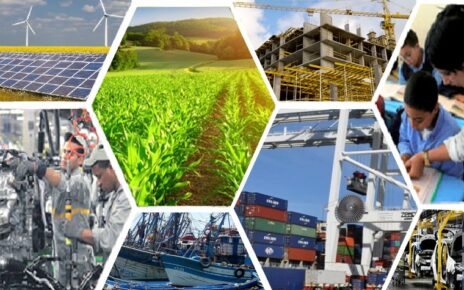
Economically, Morocco has emerged as a manufacturing hub that enhances European industrial competitiveness, particularly in automotive, battery production, and aerospace sectors. European companies benefit from the country’s “skilled human resources” and “world-class logistics and connectivity platforms,” creating a mutually beneficial arrangement, Nizar Baraka, who holds the portfolio of equipment and water in the Moroccan cabinet, said.
Security analysts note that Morocco’s strategic location and institutional stability make it uniquely positioned to serve as a buffer zone for European interests. Experts also believe that the North African country capitalizes on security measures, international partnerships, and counter-violent extremism (CVE) programs to excel in addressing radicalization, recalled the news website Morocco world News.
Meanwhile, the country’s expertise in counter-terrorism and border management represents a valuable resource that cannot skip European countries’ strategic calculations.
Baraka also hinted to the co-organization of the 2030 FIFA World Cup by Morocco, Portugal, and Spain, describing the event as a celebration of “complementary partnership between Africa and Europe.”