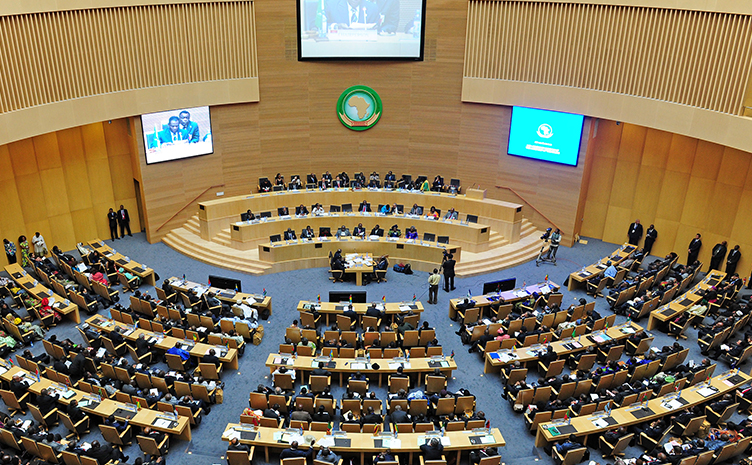
Algeria’s foreign minister Ahmed Attaf returned empty handed from the African Union Peace and Security Council elections in Addis Ababa, where Algeria failed to take Morocco’s seat.
The resounding defeat in the election of the African Union most important body reflects the inaudible voice Algeria has in a rapidly developing continent, where rhetoric is no longer effective.
The failure is part of a series of diplomatic debacles suffered by Algeria on the continent, where it has adopted hegemonic policies that backfired. Algeria has now tense ties with its southern Sahel neighbors, who accuse it of backing separatism and terrorism.
Algeria had chaired the same body for 13 years, since 2008, with no achievements in addressing the critical issues of peace and security facing the continent.
Algeria had been using the Peace and Security Council to serve its hegemonic agenda and its Polisario proxies.
Morocco had been member of the council for three years, since 2018, reaping the benefits of its strong ties with African countries. Throughout its tenure, the North African Kingdom has gained the trust of African countries thanks to its initiative seeking peace and stability for the sake of Africa.
PSC is the standing decision-making organ of the AU for the prevention, management and resolution of conflicts. It is a collective security and early warning arrangement intended to facilitate timely and efficient responses to conflict and crisis situations in Africa.
The failure to join the African Union’s Peace and security Council is reminiscent of a series of setbacks suffered by the Algerian regime in recent years. These include failure to join the BRICS, which admitted Ethiopia and Egypt, isolation within the Arab League where it supported Bashar Assad regime till bitter end and worsening ties with France and Spain after they both backed an autonomy plan for Sahara territory under Morocco’s sovereignty.