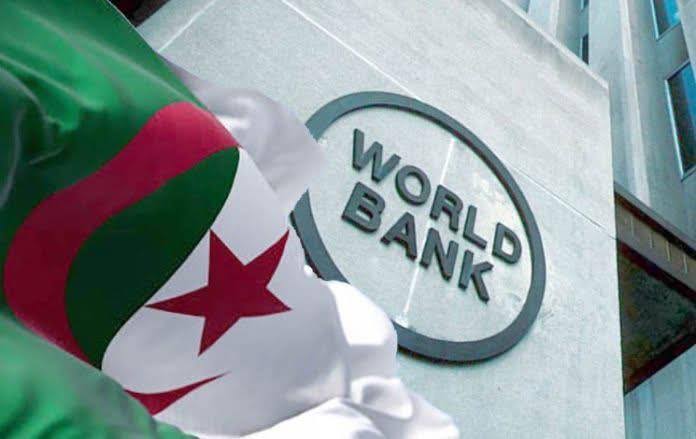
Algeria’s economy remains highly vulnerable to hydrocarbon price swings and structural imbalances, according to the World Bank’s Fall 2026 Economic Update, “Hydrocarbon Revenues and Fiscal Resilience.”
Without stronger fiscal anchors, better state-enterprise governance, and faster diversification, the report warns, Algeria’s public finances and external balances will remain under pressure, the WB warns.
Persistent twin deficits, eroding reserves, and limited buffers leave the country exposed even as non-oil activity provides short-term support, according to the report.
The fiscal deficit narrowed to 10.4% of GDP in 2025 from 14% the previous year, but the improvement relied heavily on exceptional dividends from state-owned enterprises rather than durable revenue gains. Hydrocarbon revenues fell to 9.8% of GDP amid lower prices and export volumes. The current account deficit widened sharply to 8.8% of GDP ($25.3 billion), driven by investment-related imports.
Foreign exchange reserves dropped by roughly $16 billion to $52.5 billion by end-2025, while foreign direct investment stayed modest at about $1.5 billion annually.
Growth reached an estimated 3.8 percent in 2025, led by non-hydrocarbon sectors expanding 4.2 percent on public investment and domestic demand. Hydrocarbon activity grew only 1.5 percent. The Bank projects 3.7 percent growth in 2026, helped by higher oil prices and eased OPEC quotas that should narrow the current account deficit to 2.9 percent of GDP.
Medium-term growth is expected to moderate toward 3 percent if energy prices ease.