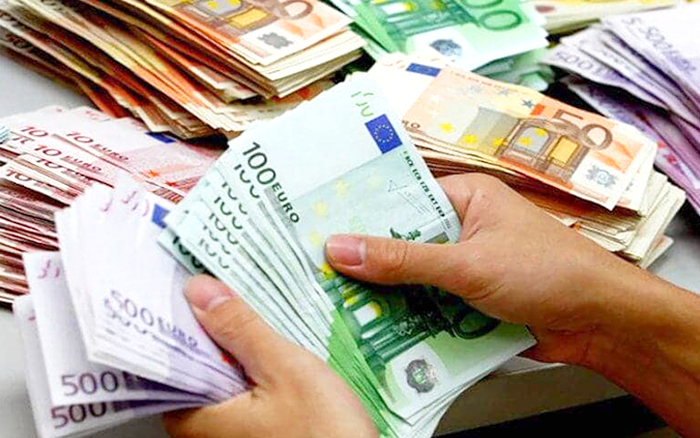
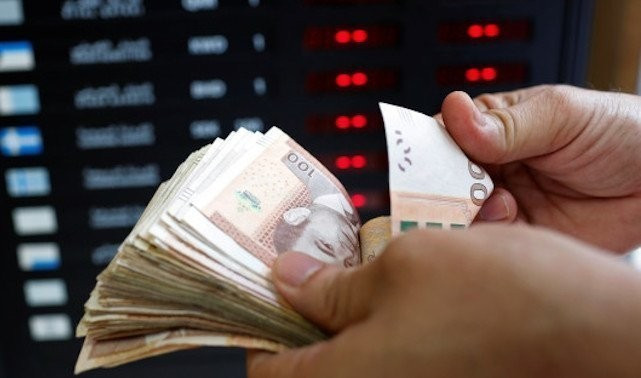
In the first ten months this year, tourism revenue and remittances from Moroccans abroad steadily increased on the way to break last year’s record. Tourism revenue grew to $9.7 billion, while remittances from Moroccans living abroad reached nearly $1 billion, auguring well for the country’s foreign exchange reserves, currently covering 5.5 months of import needs. […]
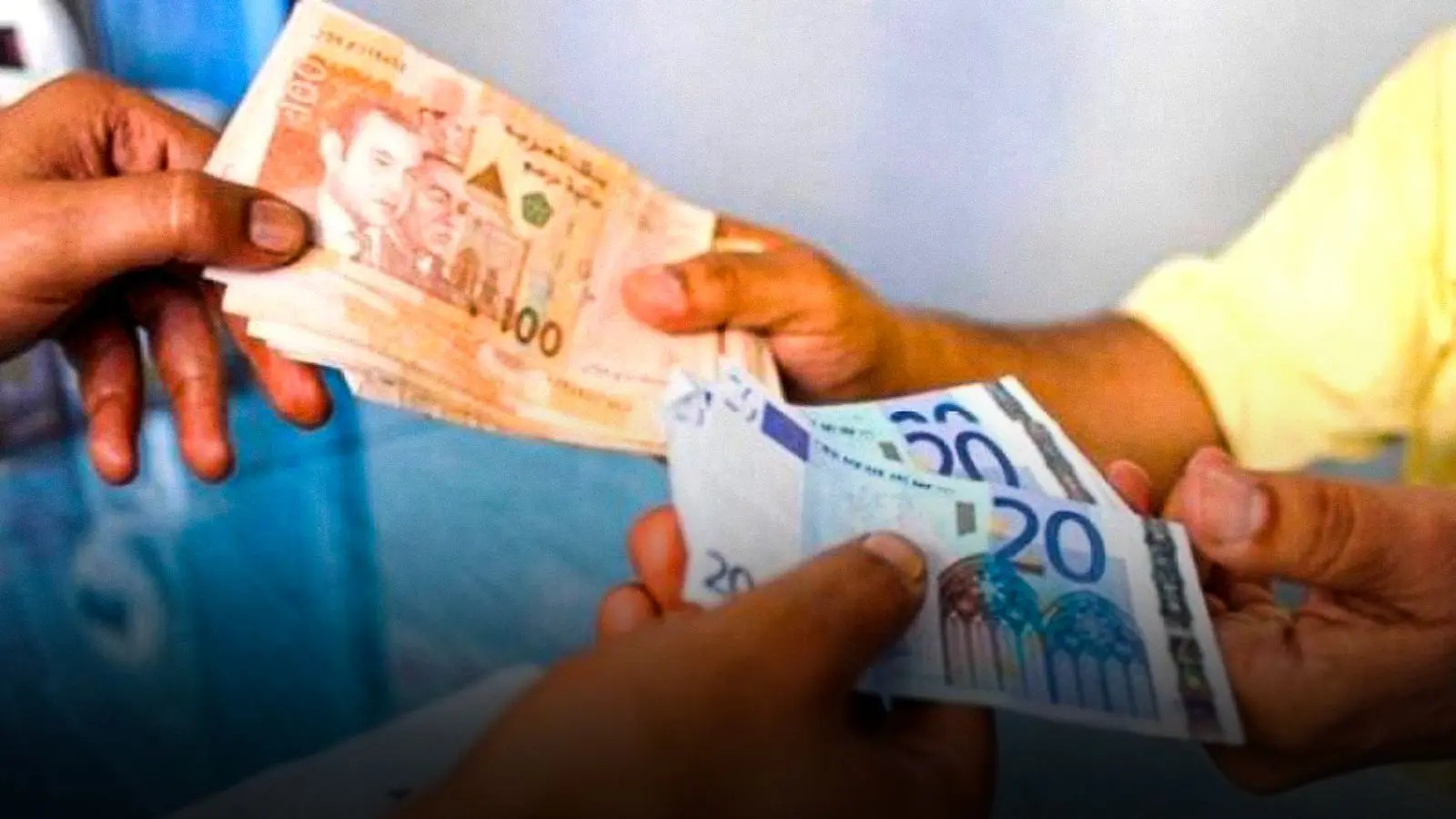
Tag: expatriates’ remittances
Morocco receives over $5.4 billion in remittances
Remittances flows to Morocco reached more than $5.4 billion during the first seven months of 2022, against $5.1 billion recorded the same period of last year. According to latest data released by the Foreign Exchange Office, money transfer operations made by Moroccan Diaspora during the past months increased by 7.4 pc compared to the same […]
Morocco, third destination for remittances from African diaspora in 2021 – World Bank
The kingdom of Morocco is expected to receive $9.3 billion this year in terms of remittances from Moroccan expatriates, representing the third largest on the continent, right behind Egypt and Nigeria, a World Bank report revealed. Compared with last year data, Morocco will witness a 25.76 per cent increase, according to data published in the […]
Remittances from Moroccan expatriates resilient in 2020 but only 10% invested
Remittances from Moroccans living abroad rose 5% to stand at 68 billion dirhams (7.5 billion dollars) despite the pandemic, but finance minister said only 10% of these transfers were invested. Most of the investments of Moroccans abroad went to real estate, finance minister Mohamed Benchaaboun told Moroccan employers association (CGEM). A part from 15% that […]
Morocco’s trade deficit eases 23.1%, tourism receipts halve
Morocco’s trade deficit shrunk 23.1% as the pandemic lowered both imports and exports with tourism being the worst hit sector. Tourism revenues dropped 53.8% to 36.3 billion dirhams from 70.7 billion dirhams in 2019 when Morocco received 13 million people. Imports bill dropped 14% thanks in particular to lower energy imports and fewer equipment imports […]