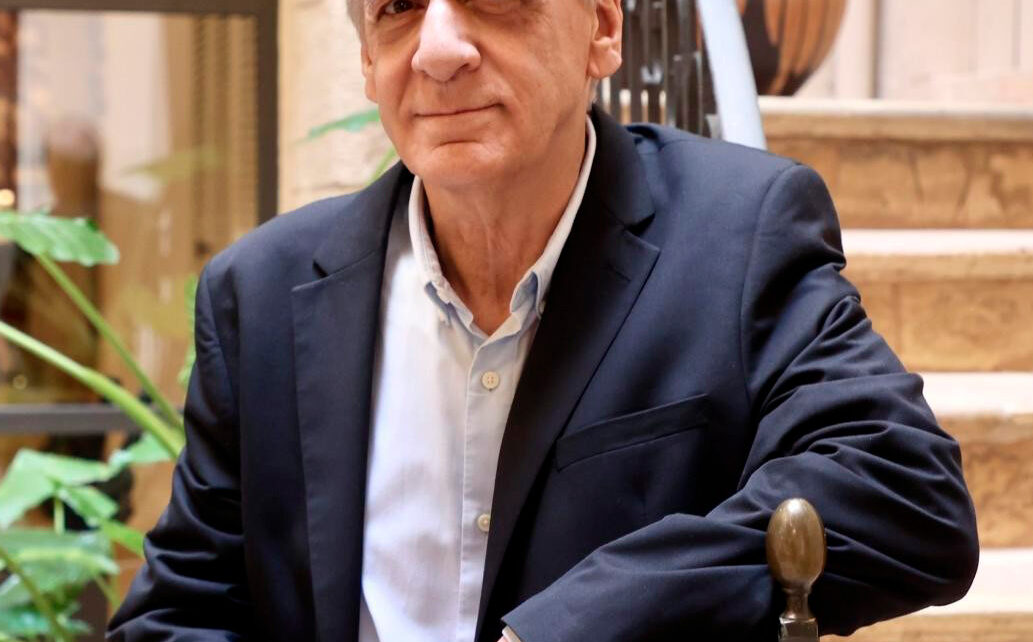
Ignacio Cembrero no longer practices journalism. He practices activism directed against Morocco.
The distinction matters, because the two professions obey different rules.
A journalist is bound by verification, balance, sourcing and the separation of fact from opinion.
An activist is free to select, amplify and interpret in service of a fixed narrative. Cembrero’s recent output, and the pattern that precedes it, belongs firmly to the second category, that is activism underpinned by Morocco-phobia.
On Spanish television he has accused Moroccan media of hostility toward Spain and claimed that “electronic flies” operating on behalf of Moroccan authorities were inciting assaults on Ceuta.
He offered no newspaper name, no article title, no verifiable link between any online account and an official institution. When pressed, he added only that he “might be wrong.”
That caveat does not restore professional standards. It confirms their absence. Serious accusations require evidence before they are broadcast, not afterthoughts.
This is not an isolated lapse. For years Cembrero has treated every friction between Rabat and Madrid as confirmation of Moroccan malice, every Moroccan diplomatic success as a threat, and every period of relative calm as the calm before the next crisis.
Positive developments- economic cooperation, security coordination, infrastructure investment- are routinely minimized or reframed as tactical deception.
Negative episodes are maximized and often stripped of context.
The result is a consistent portrait of Morocco as the perpetual aggressor. That is advocacy, not reporting.
He applies a double standard with equal consistency. Spanish commentary that assigns sweeping political responsibility to Rabat during migration crises is treated as legitimate analysis. Moroccan replies or criticisms of Spanish political actors are immediately labelled a “directed campaign.” The underlying demand is that Moroccan voices should remain silent when accused. Any response is converted into further evidence of guilt. This is not journalistic scrutiny! it is rather the logic of an activist who has already decided the verdict.
Cembrero’s career trajectory reinforces the diagnosis.
After more than three decades at El País, he left under the cloud of Moroccan legal action and editorial pressure related to his coverage. Subsequent platforms have given him greater freedom and less institutional restraint. The effect has been a hardening of tone and a narrowing of focus.
For him, Morocco has become the near-daily obsession through which almost every regional development is filtered.