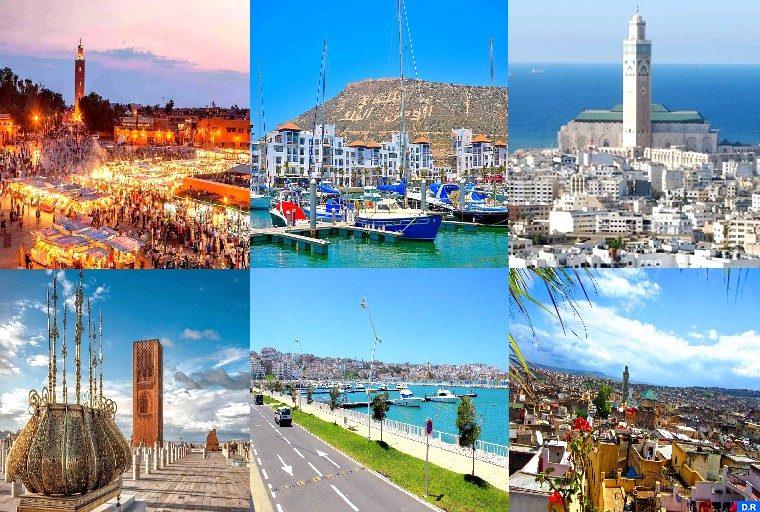
Morocco is asserting itself as an exceptional tourism destination, French magazine Paris Match writes, highlighting the kingdom’s deep transformation as it enters a new phase of tourism development marked by a more diversified offering, upgraded infrastructure and the emergence of new destinations complementing its iconic cities.
In a feature titled “The New Morocco Gains Altitude,” the French weekly notes that Moroccan tourism is no longer confined to the traditional image of Marrakech or the imperial-city circuit, and says that the country is investing in a more diversified offering built around mountain landscapes, seaside resorts, cultural experiences, wellness and nature tourism tailored to travelers’ evolving expectations.
This evolution rests on substantial investment in infrastructure, hospitality and air connectivity, allowing Morocco to strengthen its position among the most attractive destinations in the Mediterranean basin, Paris Match notes. The magazine highlights the rise of new destinations around Rabat, the Atlas Mountains and the Atlantic coast, where upscale hotels, novel stay experiences and offerings centered on authenticity, heritage and open landscapes are taking shape.
For Paris Match, Morocco is “gaining altitude” both literally, by showcasing its mountains and varied relief, and figuratively, by turning a new page in its tourism strategy and offering an experience more complete than a simple beach or city stay. The magazine ties this upgrade to a broader modernization drive across the kingdom, illustrated by new infrastructure, the renovation of tourism and cultural sites, and the opening of new luxury hotels.
The report also points to Morocco’s varied landscapes — from Atlas summits to Atlantic coastlines, historic medinas, valleys, oases and desert — as key assets drawing international visitors seeking varied experiences year-round, aided by continued improvements in accessibility through expanded air links and transport infrastructure. Paris Match concludes that Morocco now appears able to combine heritage, lifestyle, luxury, gastronomy, adventure and sustainable tourism while retaining the strong cultural identity that remains one of its chief draws.