African countries, facing cuts to traditional aid budgets in major donor countries, are under growing pressure to mobilize more of their own domestic resources to finance their development, the United Nations’ Economic Commission for Africa (UNECA) said.
In a recent press release, the UNECA, citing data from the Organization for Economic Co-operation and Development (OECD), noted that global Official Development Assistance (ODA) had a record decline of 23.1% in 2025, falling from $215.1 billion in 2024 to $174.3 billion.
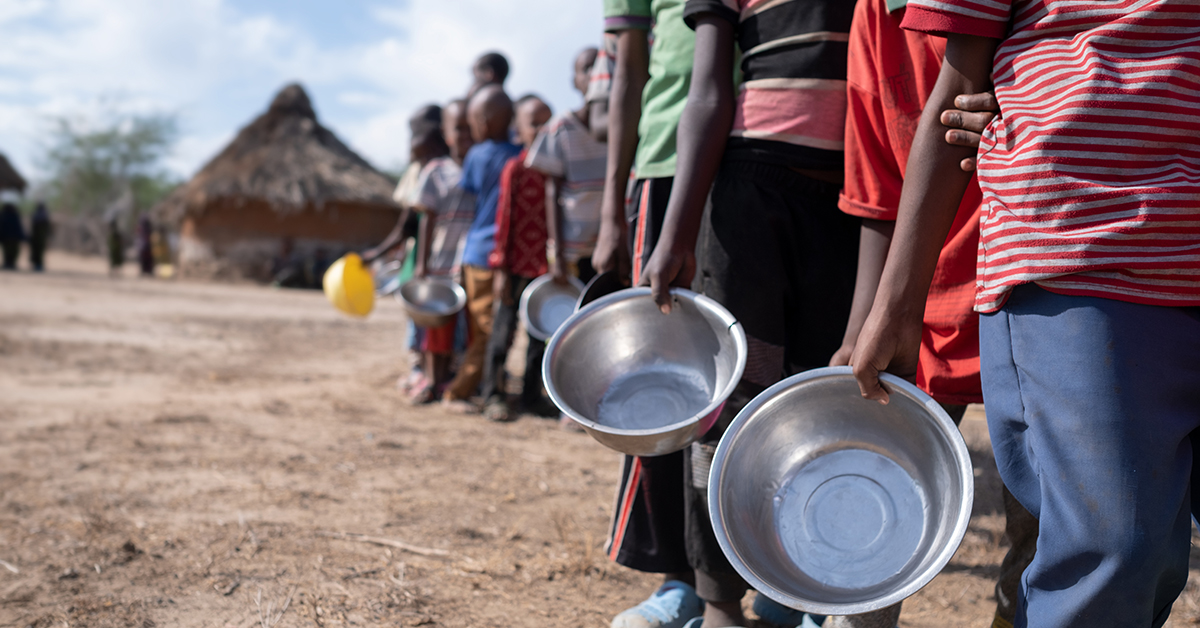
Bilateral aid to Africa also declined strongly, UNECA said, noting that the impact of these cuts in development assistance is already being felt in areas of health, education, humanitarian aid, and climate change adaptation, where many African countries have long relied on external financing.
In some countries, for example, reduced aid could make it more difficult to sustain essential healthcare services without increasing the financial burden on patients, the UNECA explained.
Director of Finance and Governance Division at UNECA Stephen Karingi noted that African countries already possess many of the tools needed to bolster national resource mobilization, calling for a more efficient usage of these tools.
Karingi further stressed that financing Africa’s development is a shared responsibility, and explained that citizens have a duty to contribute through taxes, governments have a duty to use public resources responsibly, and both parties must be willing to hold each other accountable.
He explained that Africa’s ability to finance a greater share of its own development will not depend on a single solution, but on how effectively countries mobilize domestic resources, strengthen their public institutions, and earn the trust of their citizens.