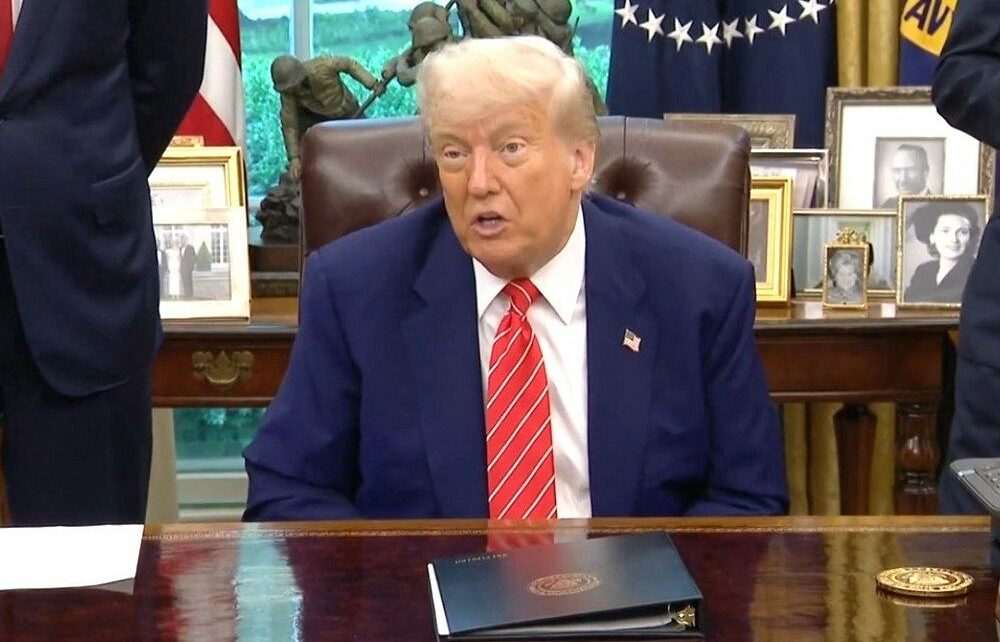
U.S. President Donald Trump has issued an emergency proclamation lifting temporarily countervailing duties (CVD) on phosphate fertilizers imported from Morocco for eight months.
The move will bring immediate relief to producers who rely on these critical inputs with an estimated 22% reduction in phosphate fertilizer prices, and $1.82 billion in annual savings for producers.
Global supply chains for phosphate fertilizers and fertilizer inputs have been disrupted by conflicts in fertilizer-producing regions, and trade actions taken by major fertilizer-producing regions, a fact sheet related to the proclamation said.
The countervailing duties imposed on Morocco have been under a five-year sunset review by the US Department of Commerce (DoC) since early March, with the DoC earlier in June announcing it would be extending the deadline for a preliminary decision until July 20.
Moroccan fertilizer producer OCP and Russian fertilizer producers have been subject to countervailing duties on phosphate exports to the US since 2021, after US fertilizer producer Mosaic filed a petition with authorities alleging the two countries’ phosphate imports materially injured the US market.
President Trump says American farmers must maintain reliable access to key fertilizers to mitigate significant risks to food production, safeguard national security, and ensure a stable domestic food supply.
Phosphate fertilizers are a critical type of plant food, a crucial component of agriculture production, and vital to feeding the Nation and maintaining America’s food security.
Global supply chains for phosphate fertilizer and fertilizer inputs have been recently disrupted due to events such as conflicts in fertilizer-producing regions and trade actions taken by major fertilizer-producing countries.
The U.S. presidential proclamation will ensure that American famers have access to a sufficient and timely supply of phosphate fertilizers in the near term to mitigate any significant risks to the domestic food supply.
Trump’s decision supports American producers’ efforts to expand their domestic manufacturing capacity, which will help provide long term stability for American farming.