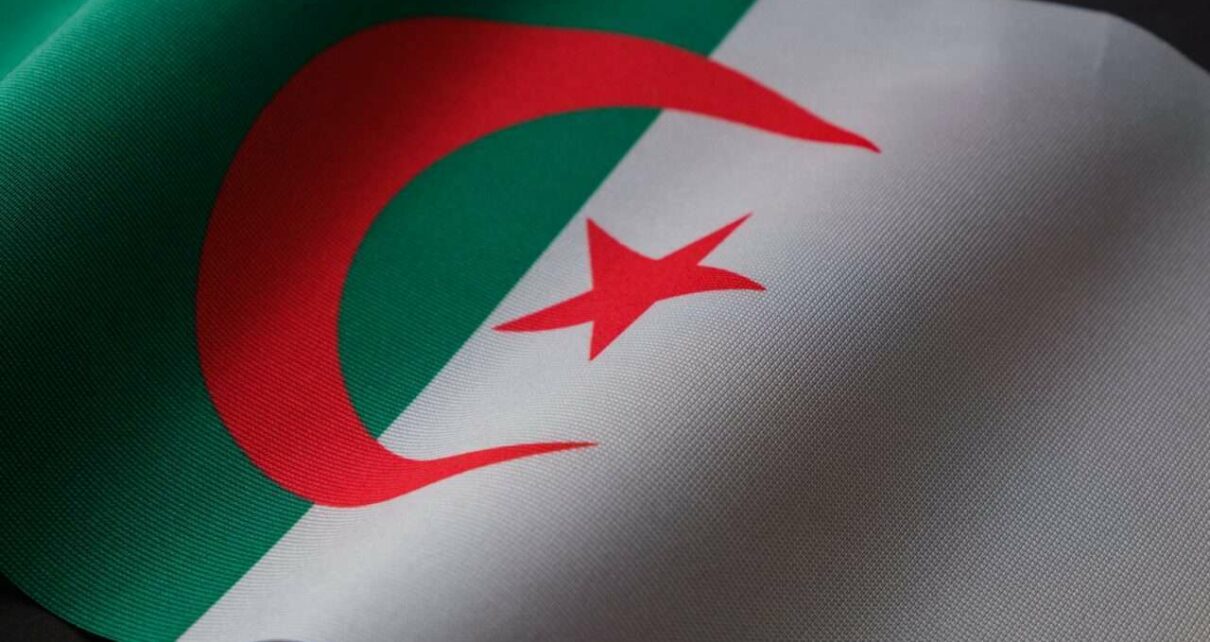
Questions over Algeria’s long-term internal cohesion are gaining attention after a recent Sahel Intelligence commentary warned that mounting internal and regional pressures could test the country’s stability.
In its May 31 edition, the publication cited three main fault lines, starting with identity tensions in Kabylie, the status of the Polisario militias in Tindouf, and the growing impact of insecurity across the Sahel. Together, it argued, these dynamics risk eroding cohesion within Africa’s largest country by land area.
The Kabylie issue was identified as the most deeply rooted. The analysis points to longstanding friction between a centralized state model and the region’s independence movement MAK and its identity demands, periodically visible during major protest movements in 1980 and 2001.
While authorities have taken steps such as recognizing the Amazigh language, the publication suggests these measures have not fully addressed underlying grievances amid a growing advocacy for independence.
Attention is also drawn to southwestern Algeria, where the Polisario armed men operate from camps in Tindouf. The report describes this as a unique arrangement in which a politico-military actor exercises a degree of autonomy on Algerian territory. It warns that, in a shifting regional context, the area could become harder to control, particularly given its exposure to trafficking and armed networks operating across the Sahel.
The third pressure point lies along Algeria’s southern desert. Instability in the Sahel, fueled by armed groups, porous borders and weakening state structures, is seen as an increasingly direct challenge.
The publication suggests that dynamics once managed through regional influence may now be escaping control, raising the risk of spillover into Algerian territory.
Beyond these immediate concerns, the article argues that broader historical and territorial questions continue to shadow regional relations, even if they remain largely unaddressed at the official level. Such issues could gain prominence if internal or peripheral pressures intensify.